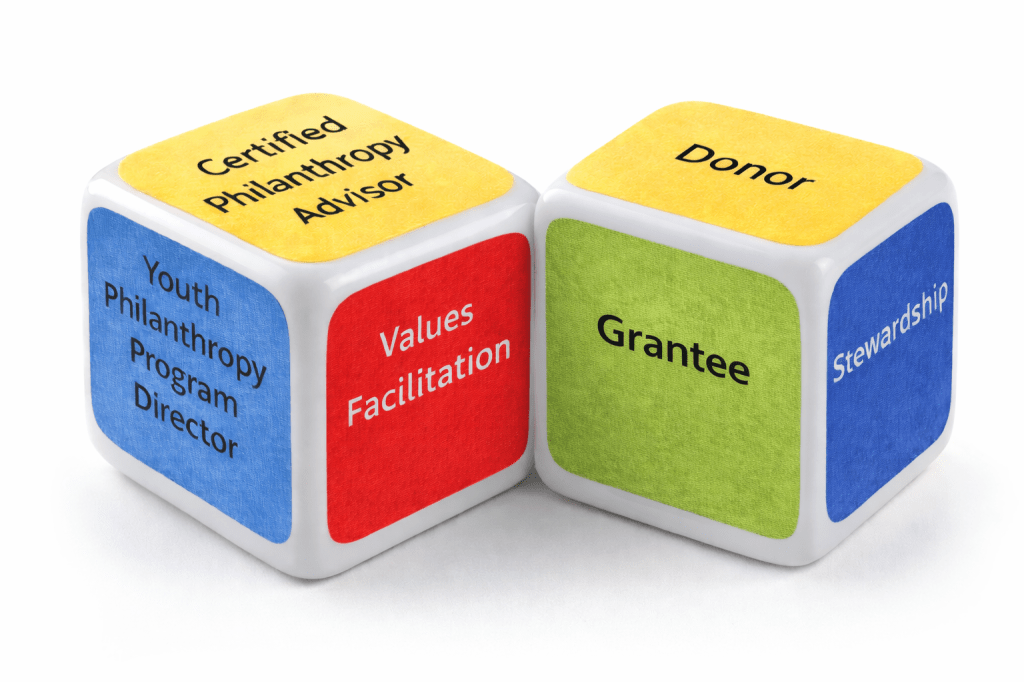
SIDE ONE: Youth Philanthropy Programs
I am trying to remember what year I first was introduced to the concept of “Jewish Youth Philanthropy.” I think it might have been 2004ish, when I was serving as the Director of Youth Education for the Bureau of Jewish Education of Orange County and the Executive Director, Dr. Joan Kaye, approached me with a giant binder that she had received from a colleague in San Diego. In it contained concepts and lessons for teaching teens about philanthropy, via a Jewish lens, and included information that you may call “Non-Profit 101” as well as foundational Jewish texts on tzedakah, social action, and community engagement. The staff materials outlined many options for implementation including a semester long course to a one-day retreat. Joan asked me to review the binder and let her know if I thought we had the capacity to build a program.
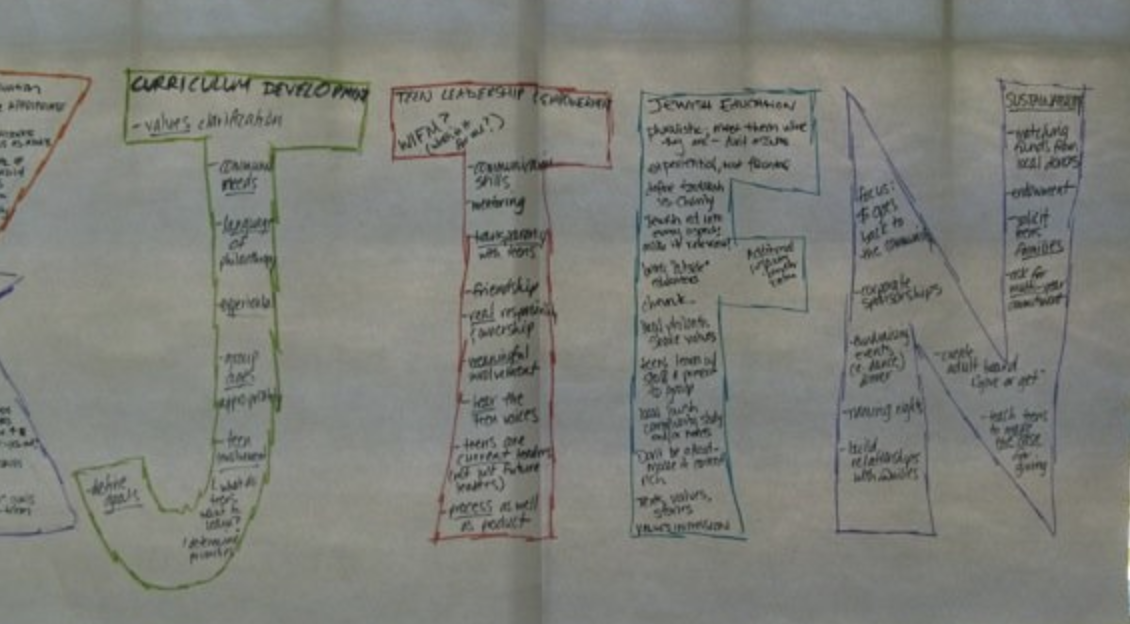
How could I have even imagined that over the next 20ish years, I would run/supervise a few different versions of Jewish teen philanthropy programs across two states, help run two national conferences training professionals in the growing field, sit on some national think tanks, consult with a variety of community-based organizations in developing their own programs, serve as the national education consultant for a large international foundation, called The Good People Fund, during which time I developed and trained others on their service-learning framework (of which philanthropy is a component), work on a team to write the newest version of the Jewish teen philanthropy national curriculum (coordinated by M² for what was then Jewish Teen Funders’ Network, now Honeycomb) and serve as a lead national trainer in 2019 for this new Changemakers Curriculum?
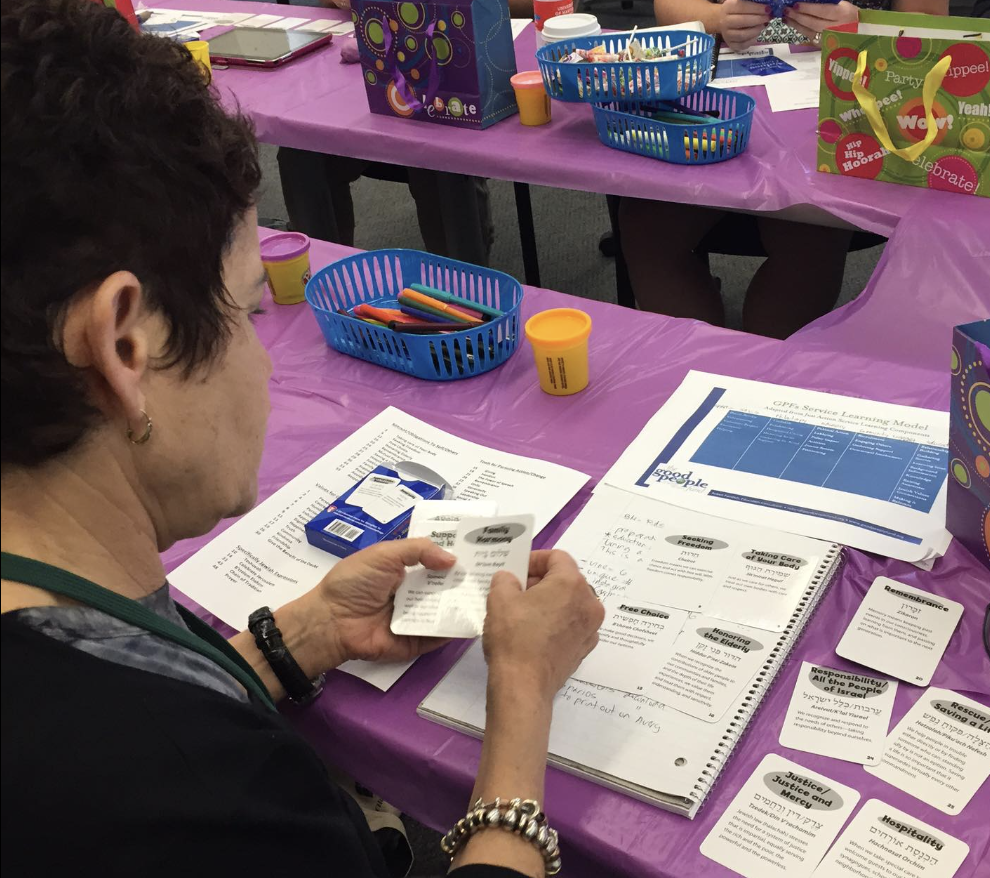
One tool that I developed in partnership with Behrman House is a set of Jewish Values Challenge Cards with Behrman House. And while the card deck is designed for pre-teens and teens, I have found that college and adult learners also gain meaning from utilizing the cards.
Through this time working in the national field of Jewish teen youth philanthropy, I have learned a lot about teaching others how to build consensus (what it is and what it isn’t); about framing the struggle to consider funding overhead, staff, programs or client resources; about teaching what makes tzedakah different than when non-Jews also give generously; and how to guide others through the process of grant proposal evaluation.
SIDE TWO: Grantee
Of course, during my entire tenure as a Jewish education professional, I have been on the “receiver” side of the giver-receiver philanthropic relationship. Mostly as a grant writer and grant manager – some as “small” as $5,000 and one as large as $500,000. I have navigated fulfilling the requirements for a significant grant request process many times and have had to provide robust data and grant reporting materials to a plethora of funders.
As a result of this role in the philanthropy relationship, I learned that most funders want their grantees to succeed and therefore are willing to assist in developing grants and in partnering to pivot original grant designations when something envisioned isn’t going as planned. As a grant writer, I came to recognize the places the grant money would stop and the agency’s own funds would have to take over (sometimes in future years, sometimes where a grant pays for a part of a salary but not the uplift, etc.) I also learned what kind of funder I wouldn’t want to be: one that enjoys the power differential; one that is afraid of investing in R&D (aka failing forward); and one that uses money to manipulate non-profits into doing something they aren’t prepared to do or aren’t set-up to succeed in.
But wait, there’s more.
FLIP SIDE: Donor
Overlapping with those past 20 years is a personal timeline. In 2009, my father passed away suddenly and in an effort to help my mom manage the financials, we engaged a financial advising team. Within a year or so, they recommend she establish a donor-advised fund (aka Family Foundation) in order to assist with some tax deductions and philanthropic pre-planning. My mom asked my brother and I to help her manage the newly formed Faintich Family Foundation and so I found myself on the flip-side of the giver-receiver relationship.
Using the skills I had gained in all my years working in youth philanthropy, I asked my mom a series of questions and was able to help her narrow the giving focus: projects with long-term wide-ranging impact in areas including Jewish life, secular education and literacy, and animal advocacy, with smaller gifts to passion projects of family/friends around medical issues.
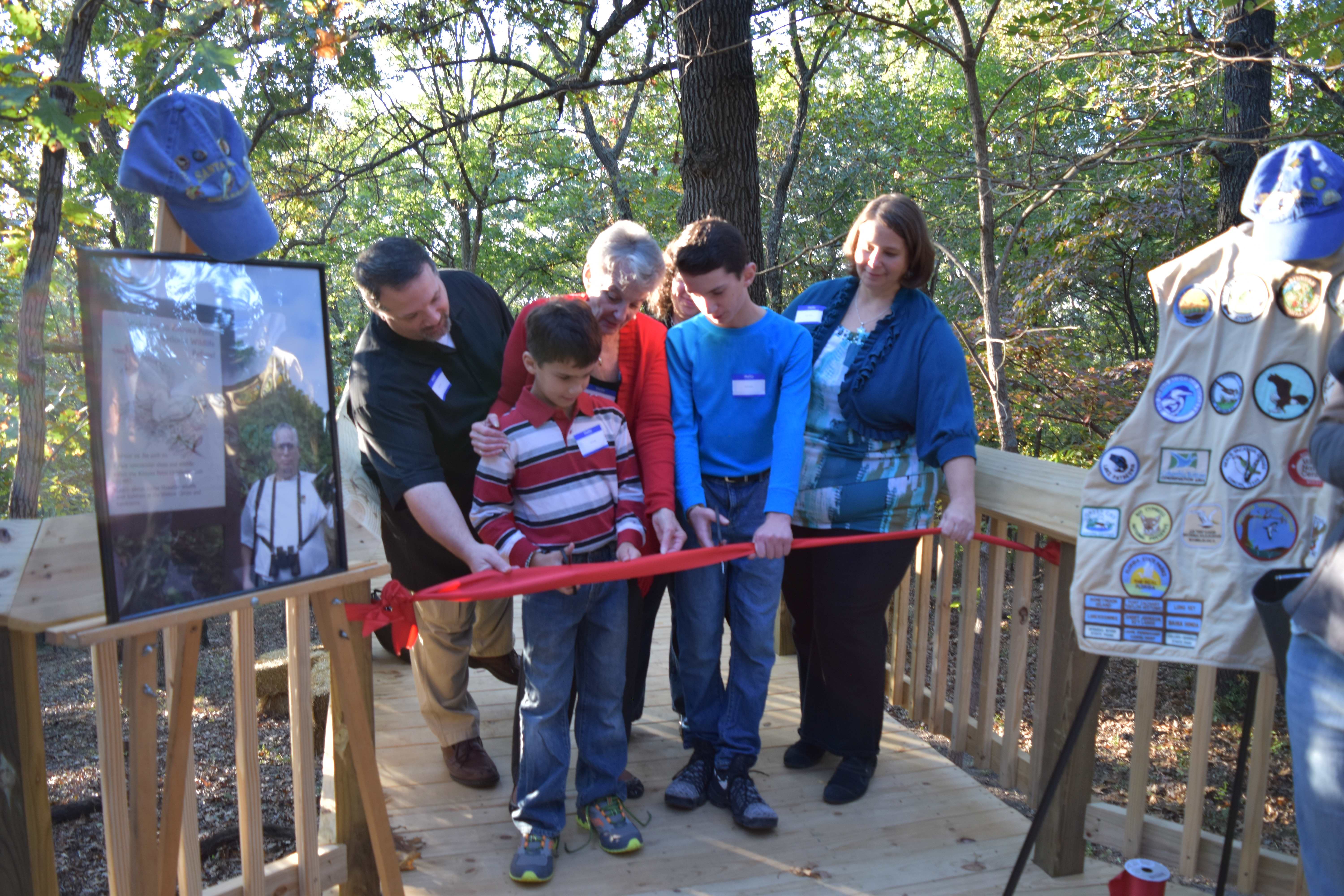
In 2016, we approached the World Bird Sanctuary in St. Louis in order to build a handicap-accessible bird-watching deck on their property (in memory of my dad and his passion for ornithology) and purchase multiple AED machines for their large acreage (a nod to my father passing away from complications due to a sudden cardiac event where no CPR/AED was used). We involved my nephews (at the time ages 10 and 12) in
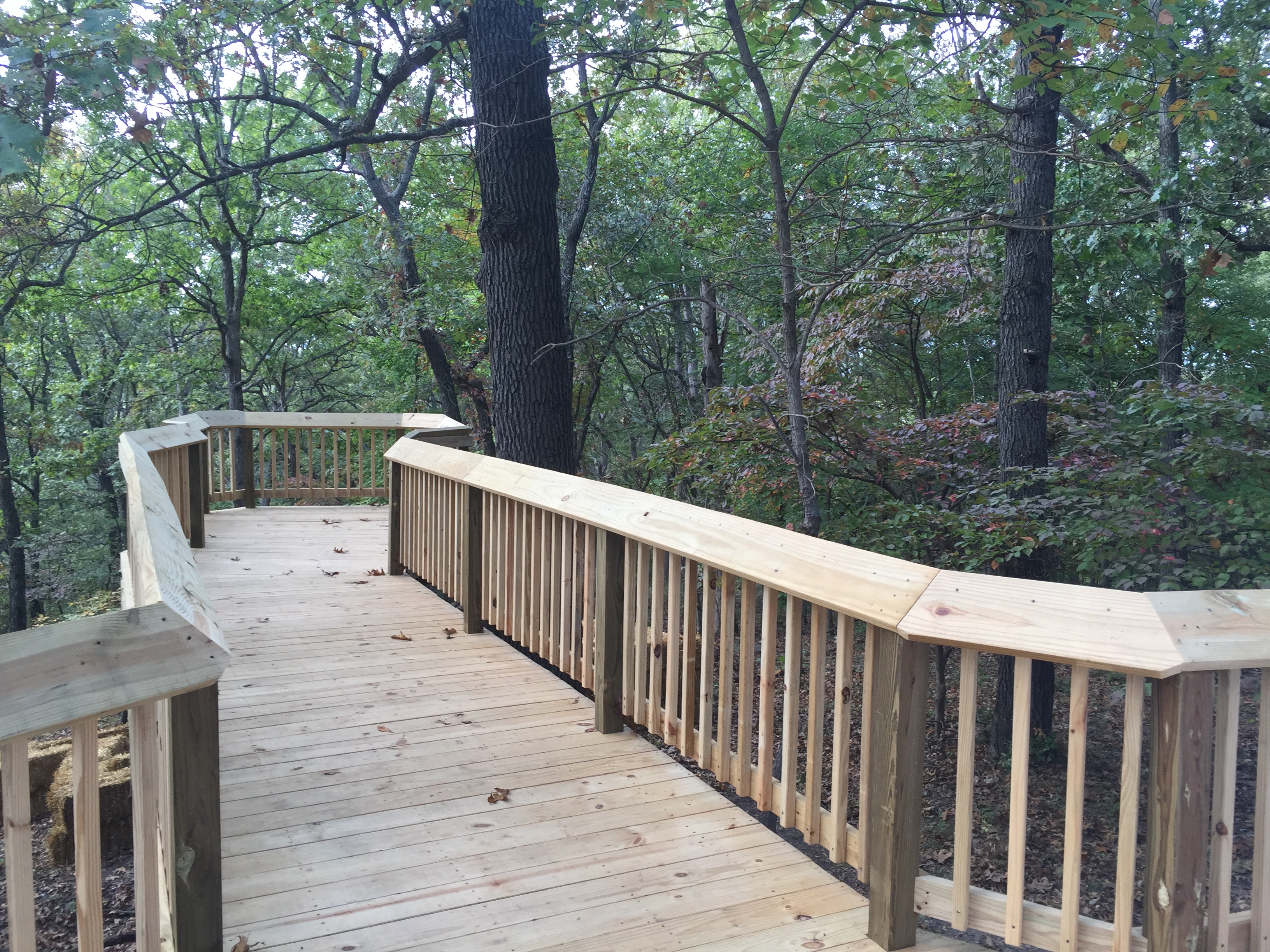
the visioning of the deck, in the ribbon-cutting, and the messaging about our giving. In addition to the initial pledge, we also articulated a
goal of continued philanthropic support in order to help them build out an education building adjacent to “David’s Deck.” Without going into detail, the entire process was mis-handled and I could not get my mom to be assertive with with board when the staff wasn’t responsive and in the end, the projects were only partially completed and our relationship with the Sanctuary dissolved.
After that, we asked several groups to come to us with proposals. Most didn’t even get back to us (we were shocked!) and one couldn’t get their act together with budgets, vision plans, etc. and so we didn’t move forward with them. It was certainly disappointing. There were a few smaller gifts to support friends and family in their philanthropic support of medical issues, but no significant charitable partnerships. At this point, money was accruing but not going out.
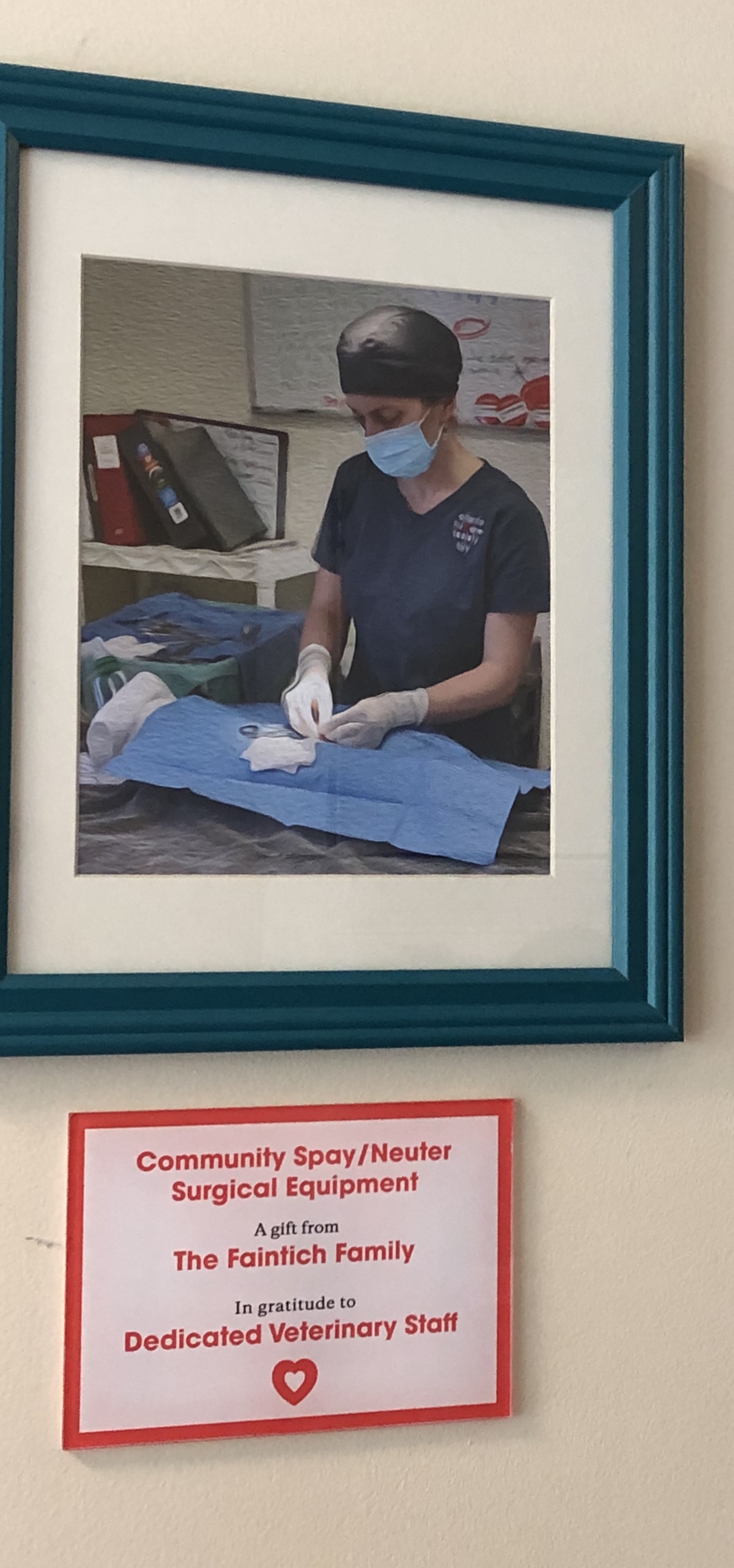
Our second significant gift (2019) was to the Atlanta Humane Society (where I have been a shelter
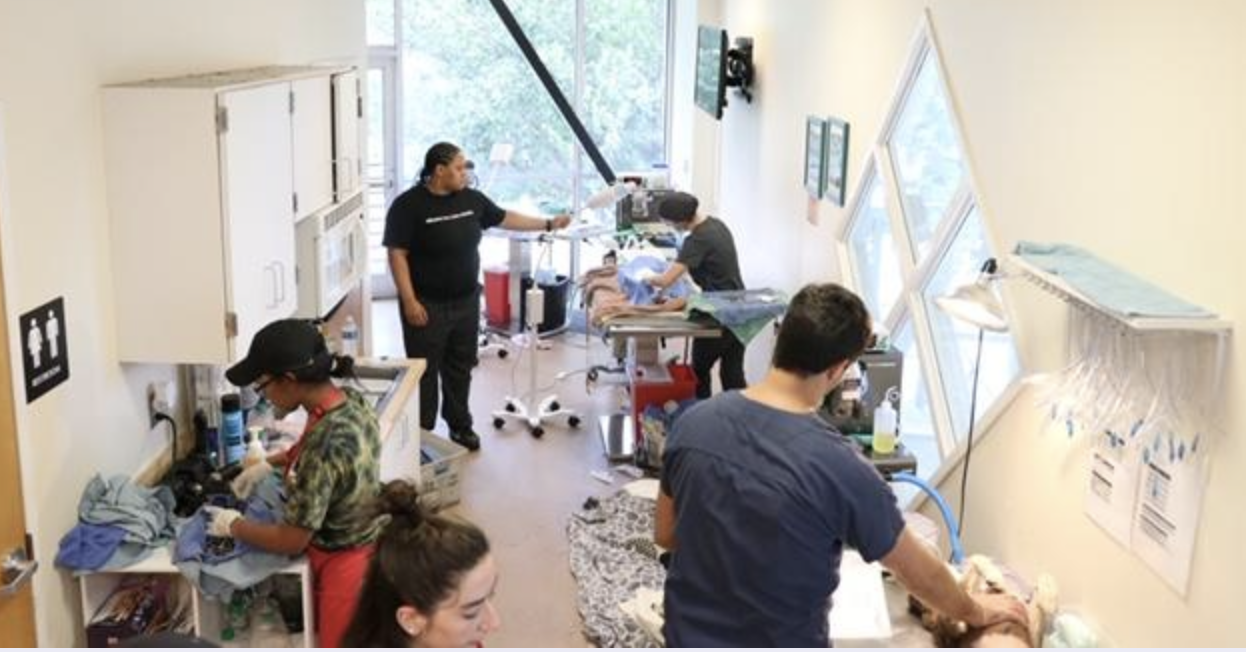
volunteer and foster in their cat program for a decade or so). AHS was looking to launch a community program for low-cost spay/neuter services but needed to purchase the surgery suite equipment in order to fulfill the goal. Done. This was easy and went just as a basic grant should go. It was a joy to take my older nephew, Evan (who was now almost 15) to see the suite. Before we went, he and I talked about what he might want to know from them as a donor and we drafted some “donor-related” questions to ask the staff at the shelter. Seeing him engage as a member of the donor “board” at a young age gave me such pride.
With the on-set of Covid in 2020 and the life journey of our family, the Foundation funds continued to sit (and accrue minimal interest) until my mom passed away October 6, 2022 and I took over as the trustee of the Faintich Family Foundation. I talked with the boys about their role in helping me guide the Foundation and that one day they would be taking over the stewardship (and some contributions!). [I have been trying to teach them since they were little about the concept of spend-save-give and sent them banks to help them learn this.] They indicated that for now, they want to be more on the sidelines unless they hear of something they themselves want to fund, but overall, that I should take the reins and go. So go I did.
One area of giving that I am committed to, different to my mom’s original goals, is supporting friends and family in scholarships to participate in their own education or educational experiences. Most of these I am doing anonymously to the recipient, but the scholarship fund coordinator knows it is a designated gift for a specific person’s participation. While in alignment with either my mom’s education and/or Jewish life giving areas, it stretches beyond the “wide-ranging” impact guideline she originally established. At least on the surface, because we all know that one person’s life-changing learning could impact many many more in the future.
But more than anything, I wanted to honor my mom and her legacy. In looking for ways to continue to honor my mother’s commitment to literacy and education inclusion, I embarked on a year-long exploration of collaboration opportunities with the fantastic Saint Louis Zoo (which is free for those who don’t know). In the end, we landed on three commitments and one more to explore further.
Collaboration One:
The Zoo Pre-School leadership was invited to go through my mother’s collection of children’s books and my dad’s collection of bird guides,
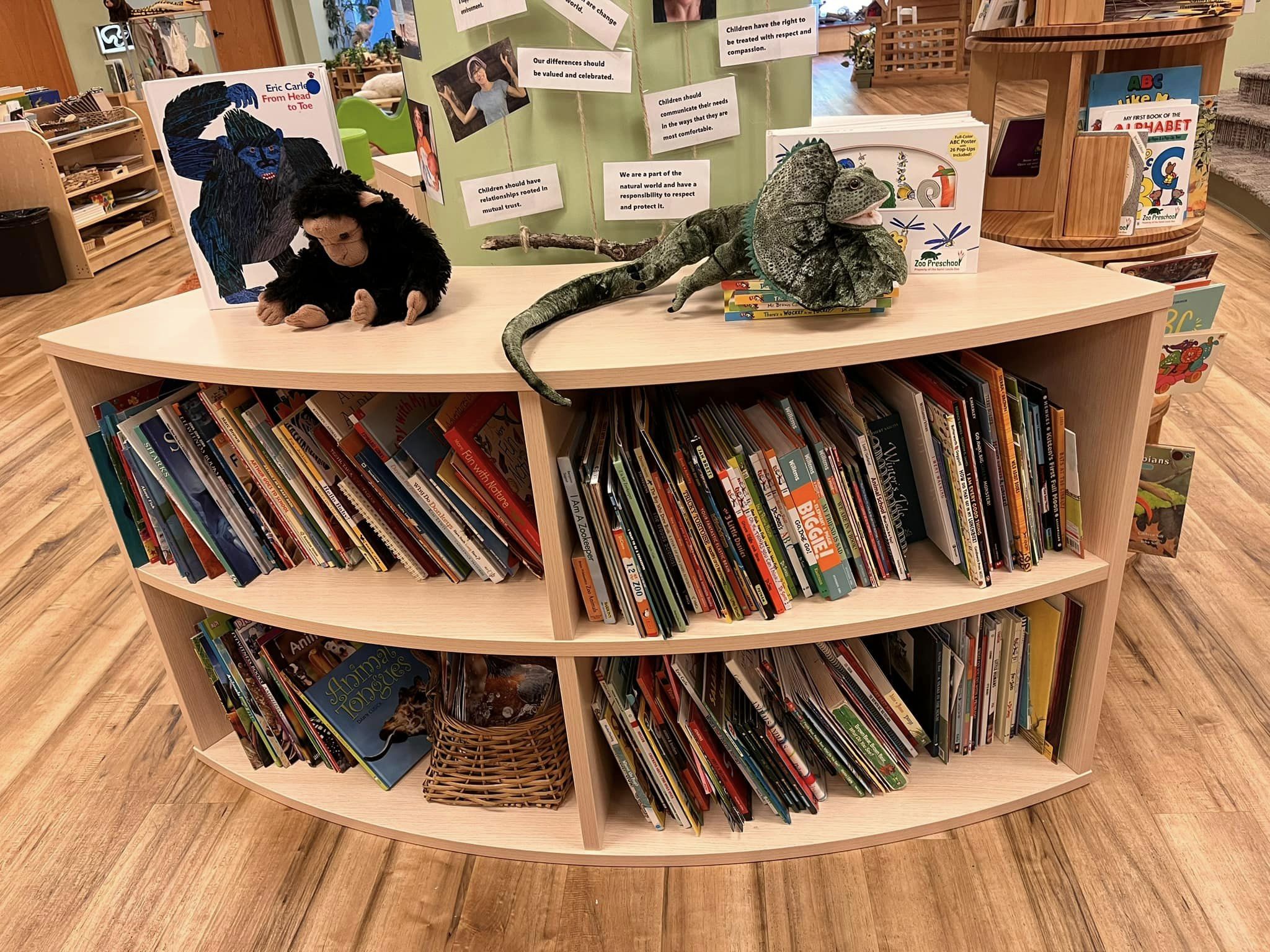
reference books and non-fiction bird books and take what they wanted. They spent days on end going through the books at my parents’ home.
They ended up taking 2,040 children’s books (you read that right), 55 bird field guides, 38 non fiction bird books and 21 reference books. Then, I asked them to provide me with a wish-list for book cases to house the collection and I funded those.
Collaboration Two:
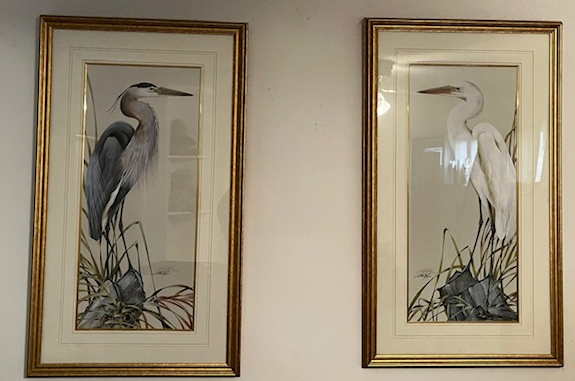
The wall above my parents’ bed held two huge bird paintings and my dad’s office had four more small and medium paintings. The St. Louis Zoo is opening a Wild Animal Care Park in 2027 and the new administration offices in that property in North St. Louis County will display this art.
Collaboration Three:
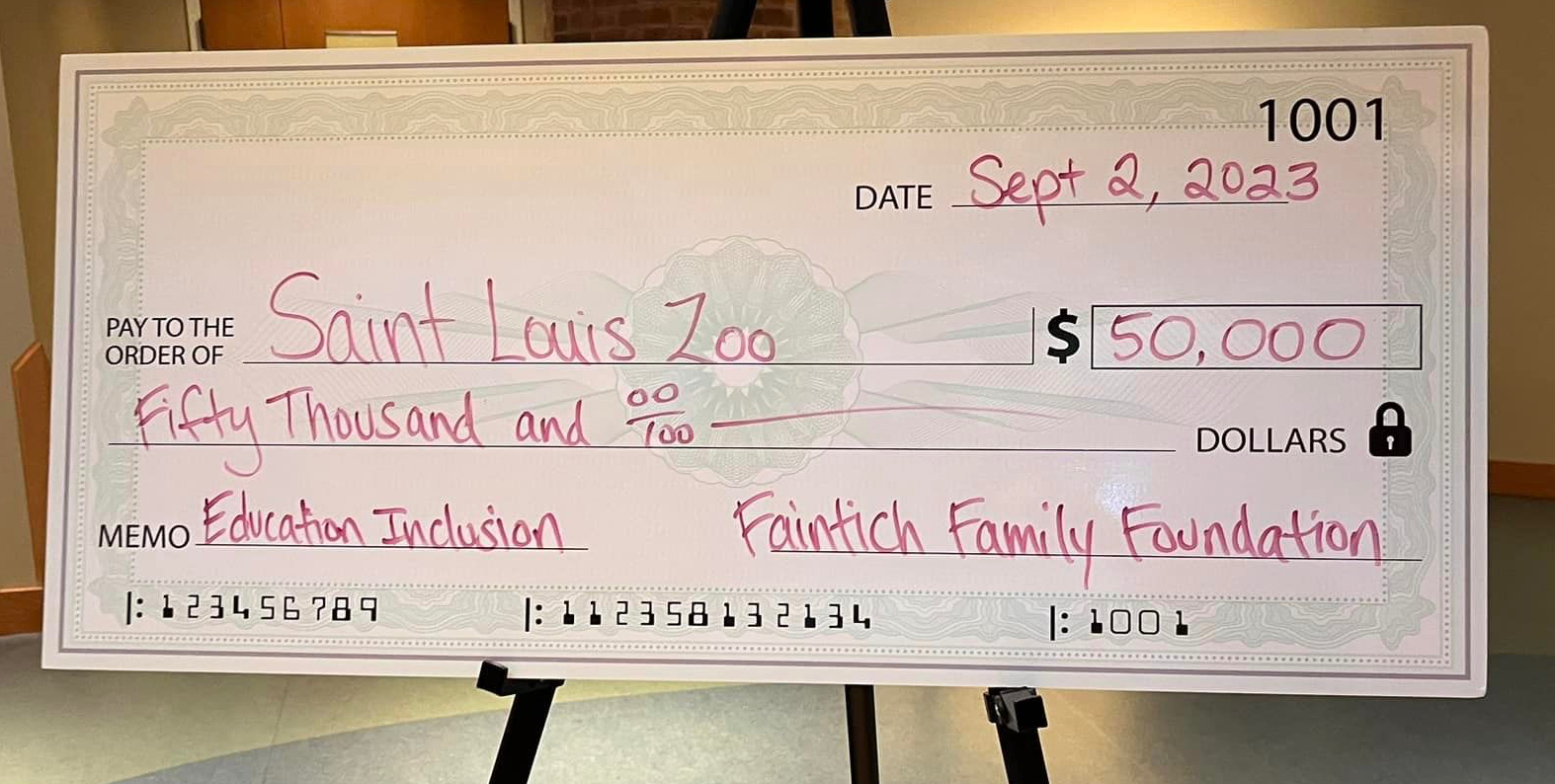
In order to support education inclusion in the early childhood department, the summer camps, in family programming, and for all zoo visitors, we have seeded The Carol Faintich Endowed Fund for Education Inclusion. The initial seed of $50,000 will help provide professional development, support the work of part-time seasonal staff, and pay for education materials that assist in inclusion. We are looking to friends and family to contribute to this fund indefinitely….in honor and memory of people, for holidays, as teacher thank-yous, etc … with the goal of reaching at least $3,000,000 where it will support an endowed full-time inclusion staff person.
Exploration:
We are discussing the possibility of an annual family reading event held in her honor – which would be modeled after a very successful program she developed and ran as an educator Wyland Elementary for many years.
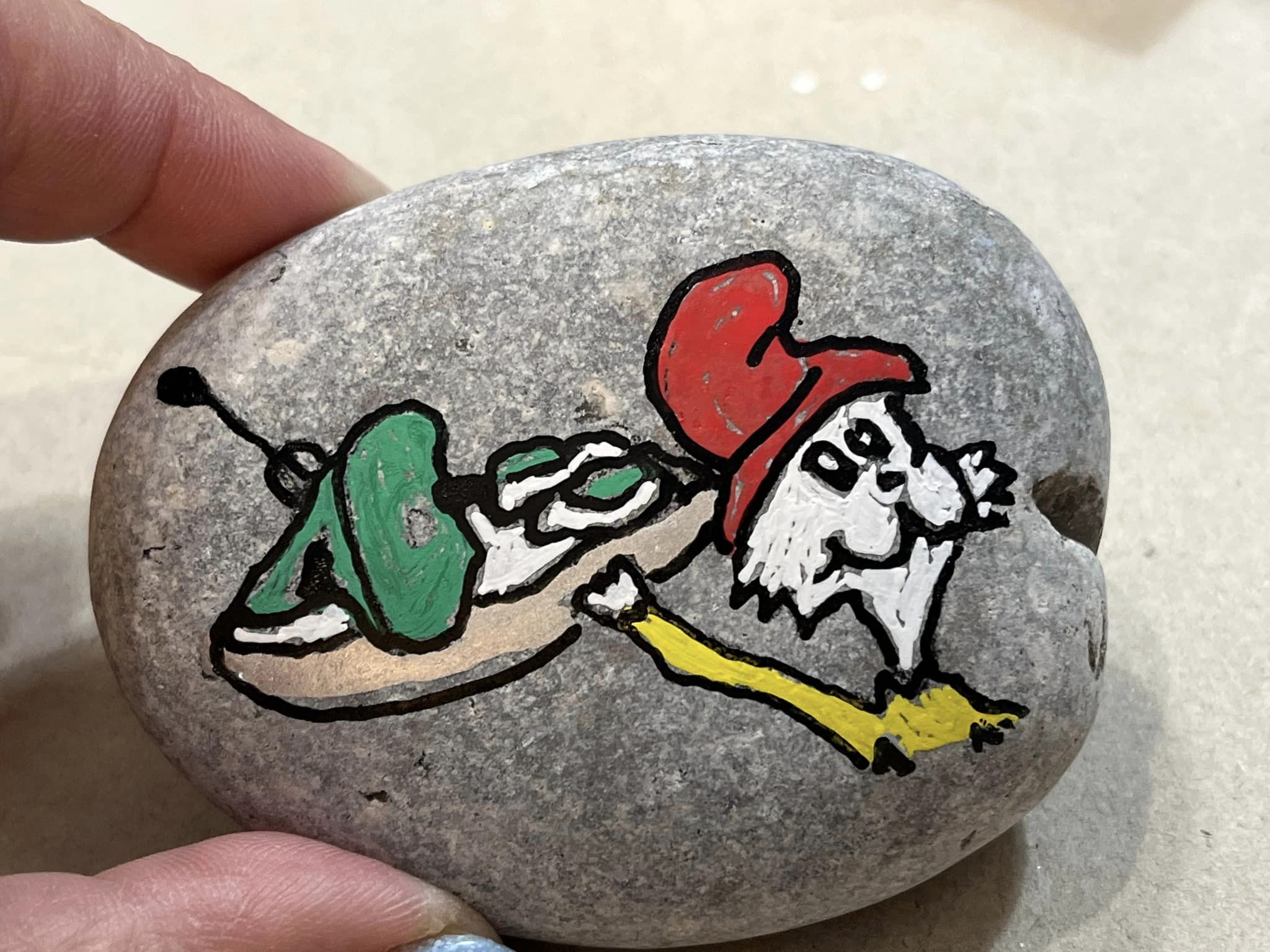
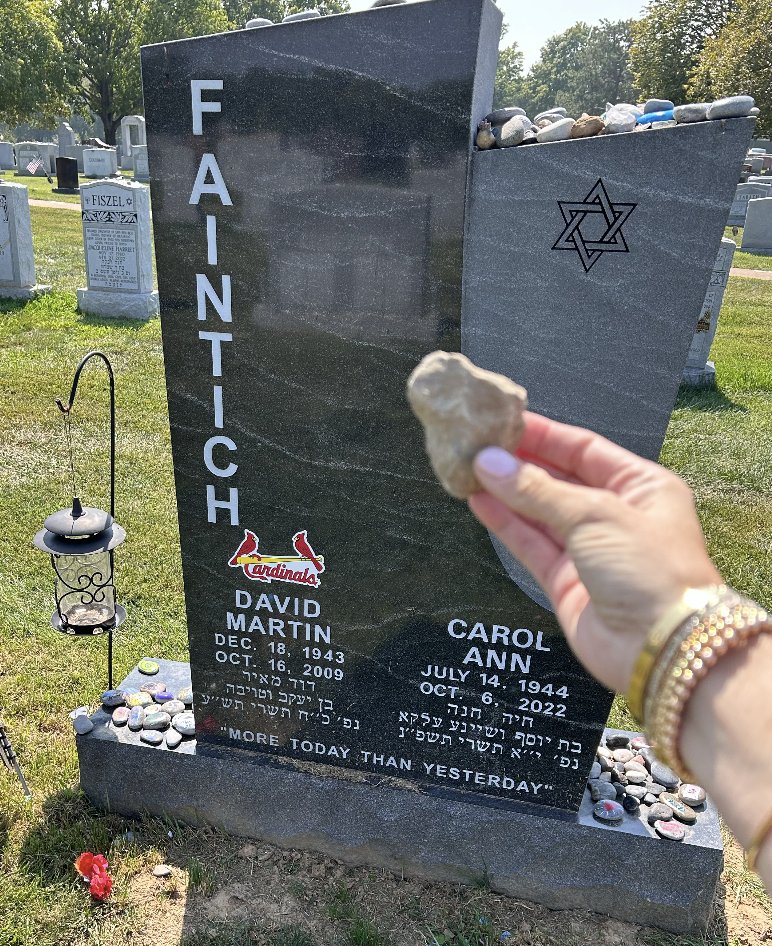
On Saturday, September 2nd (the night before her headstone unveiling) we held a reception at The Zoo in order to launch this legacy initiative. Folks were able to tour the education space and learn about the exciting partnerships. The tables had photos of children using both of my parents books in their learning as well as some of the books themselves. In order to connect the Legacy Launch with her Unveiling, we asked people to decorate rocks (see this page to understand the Jewish significance) with their favorite animal or children’s book characters. Then at the ceremony on Sunday the 3rd, we placed the rocks. Truly special and meaningful!
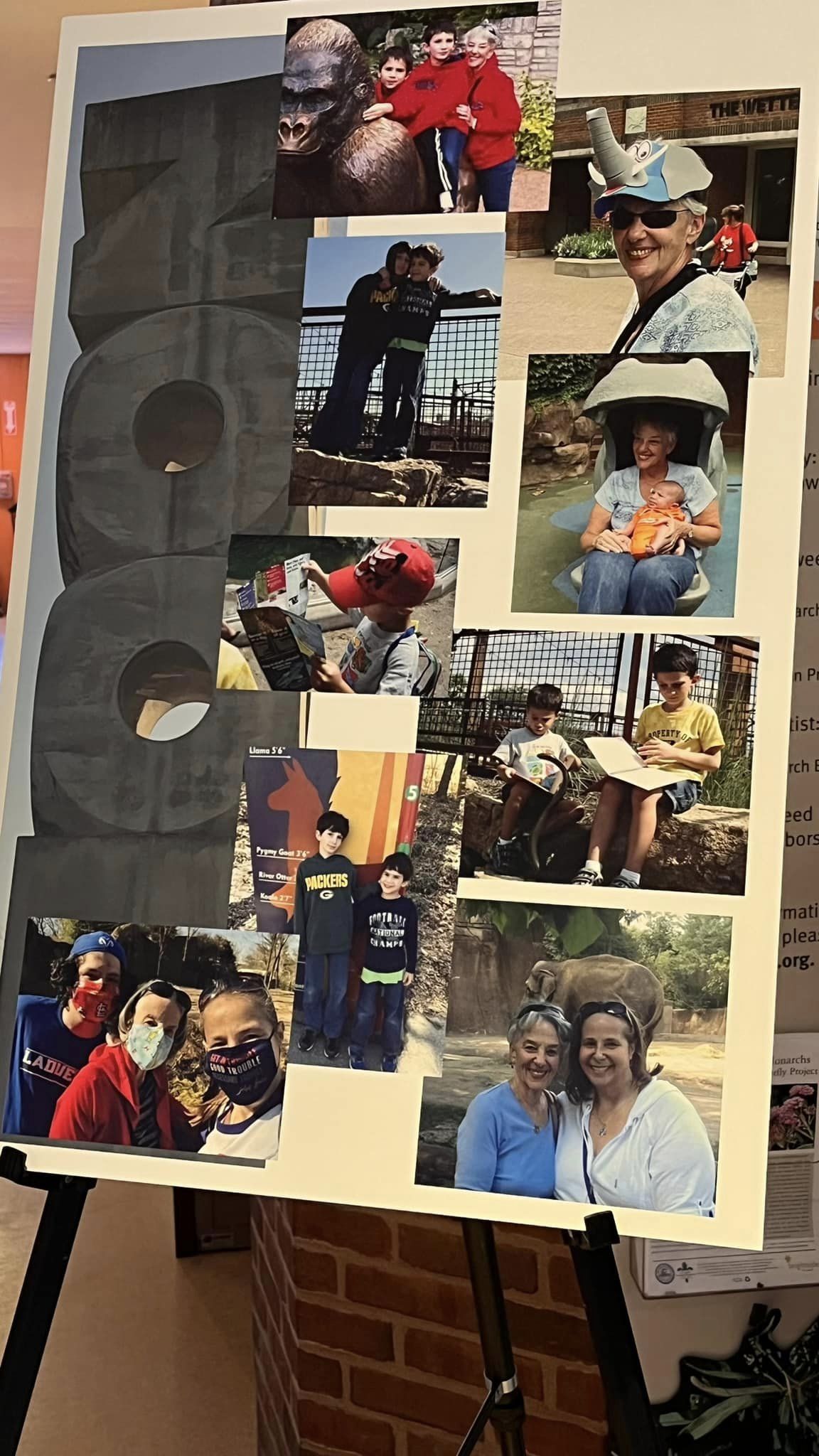
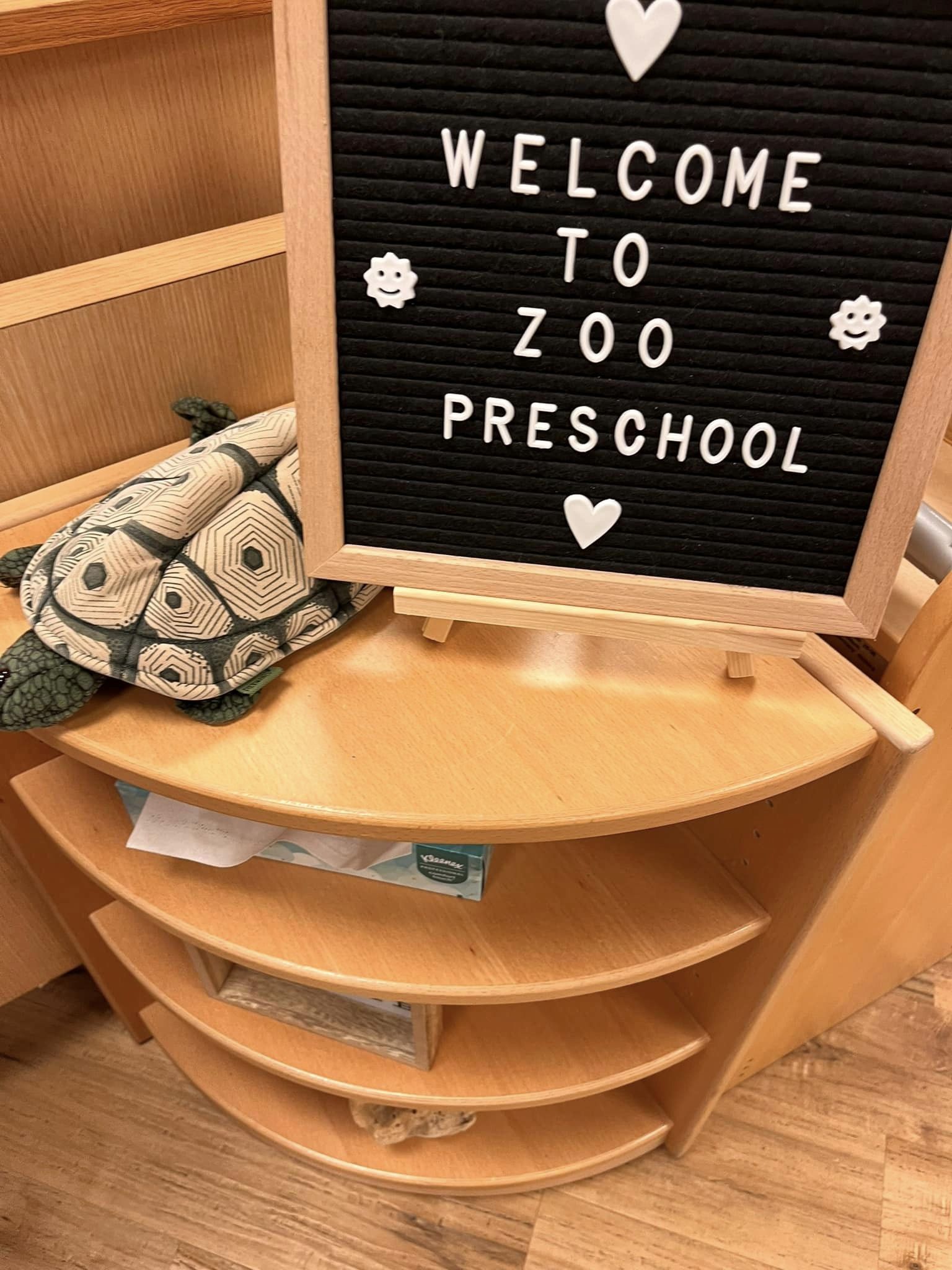
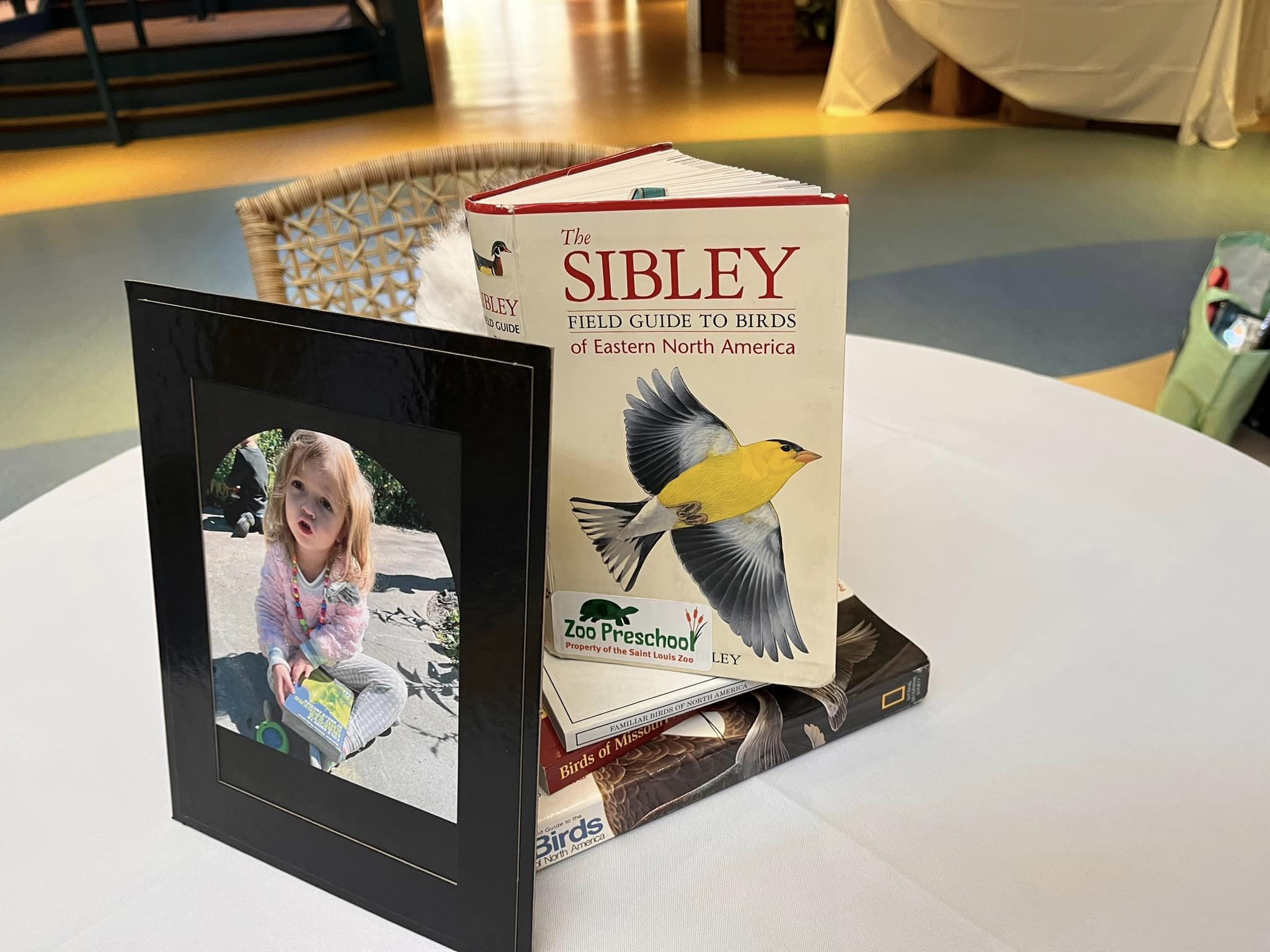
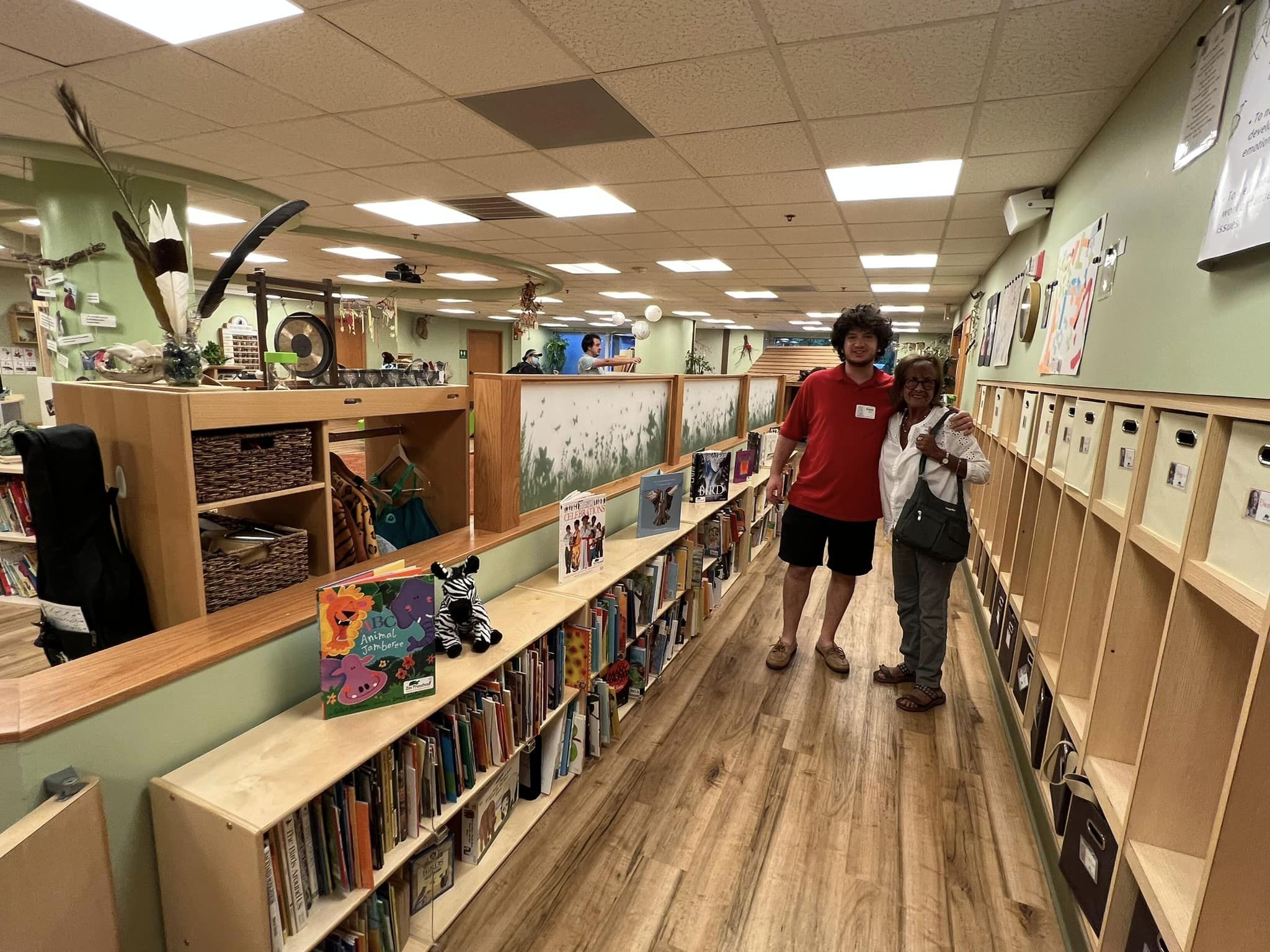
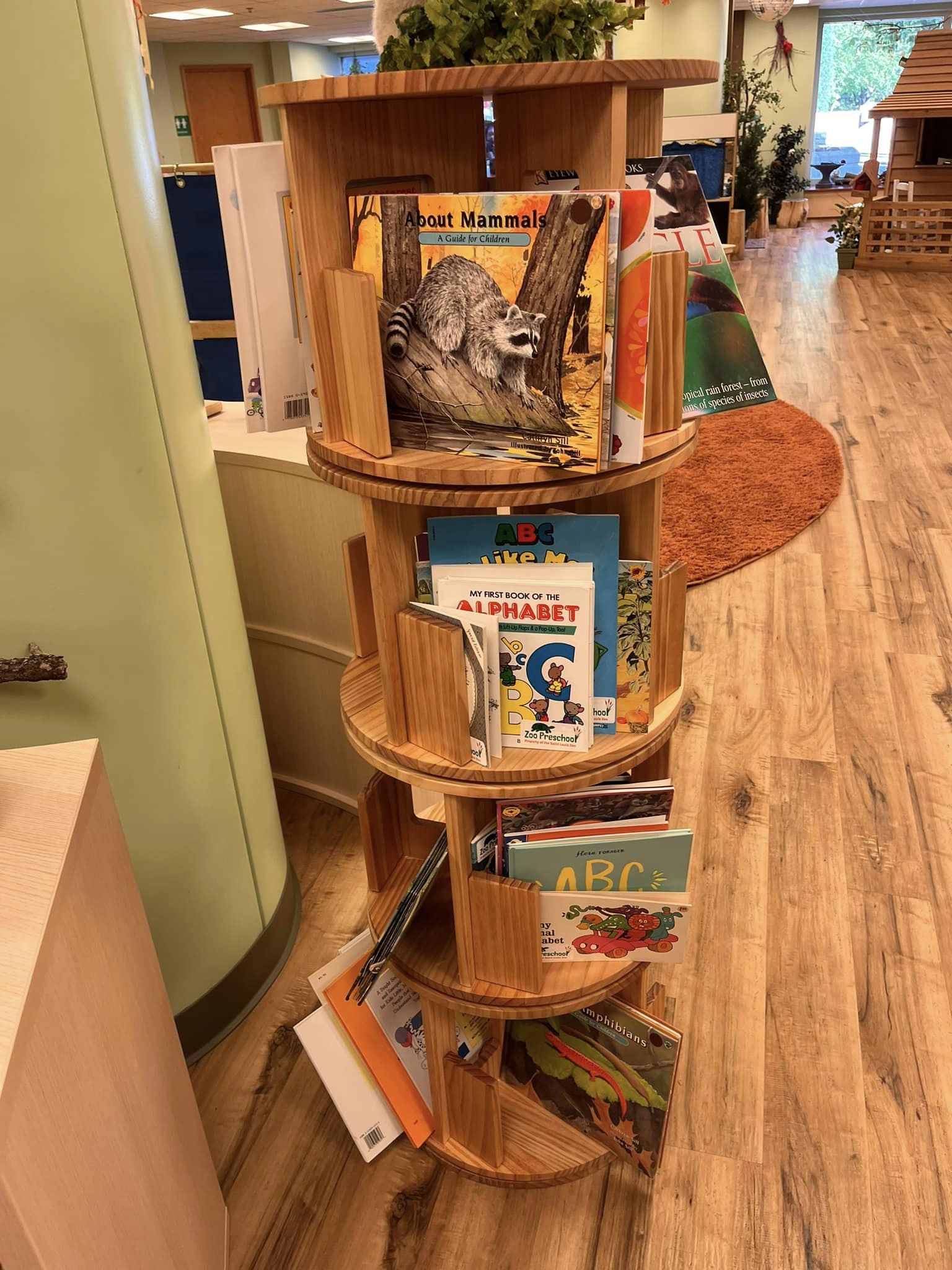
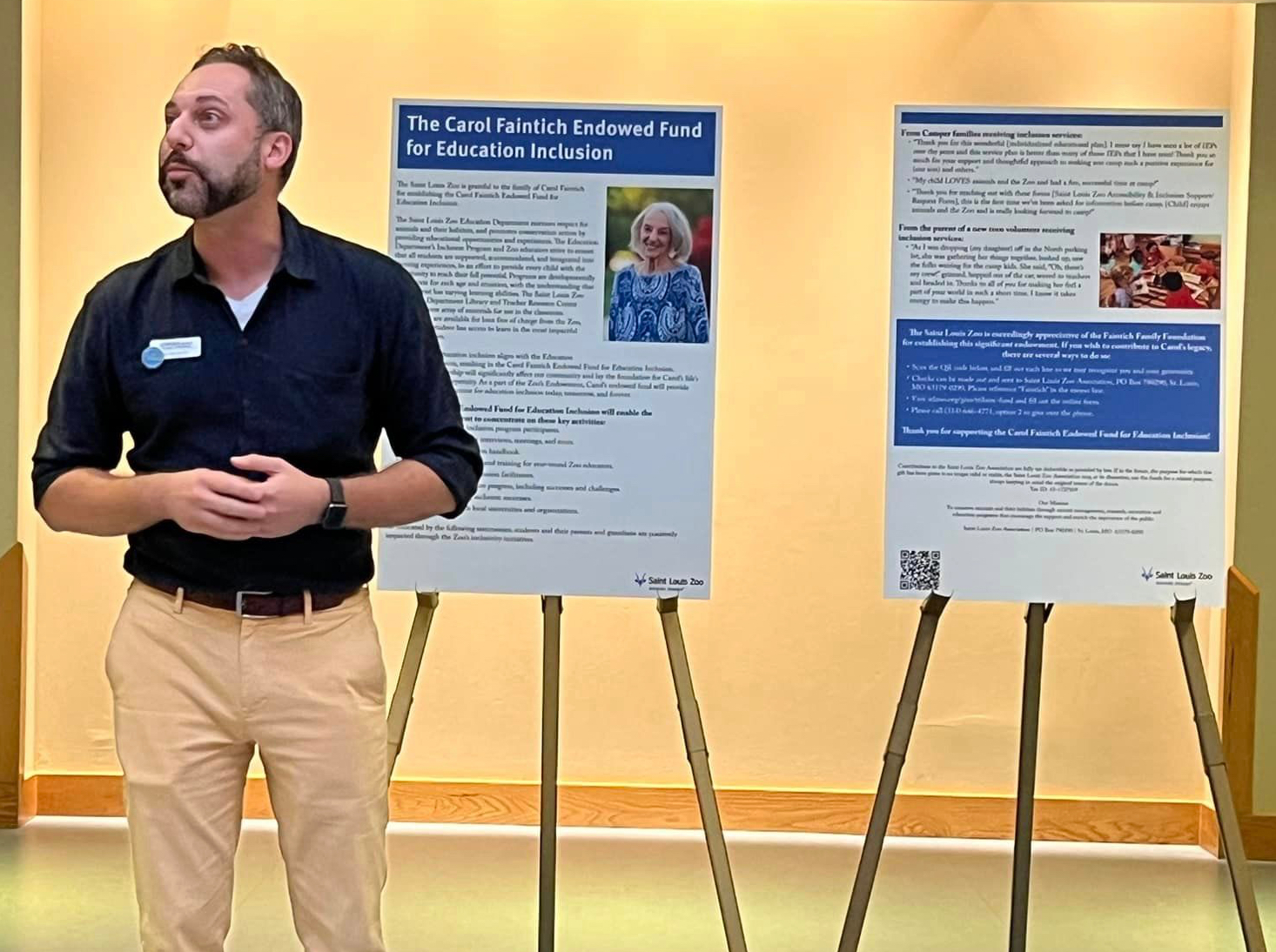
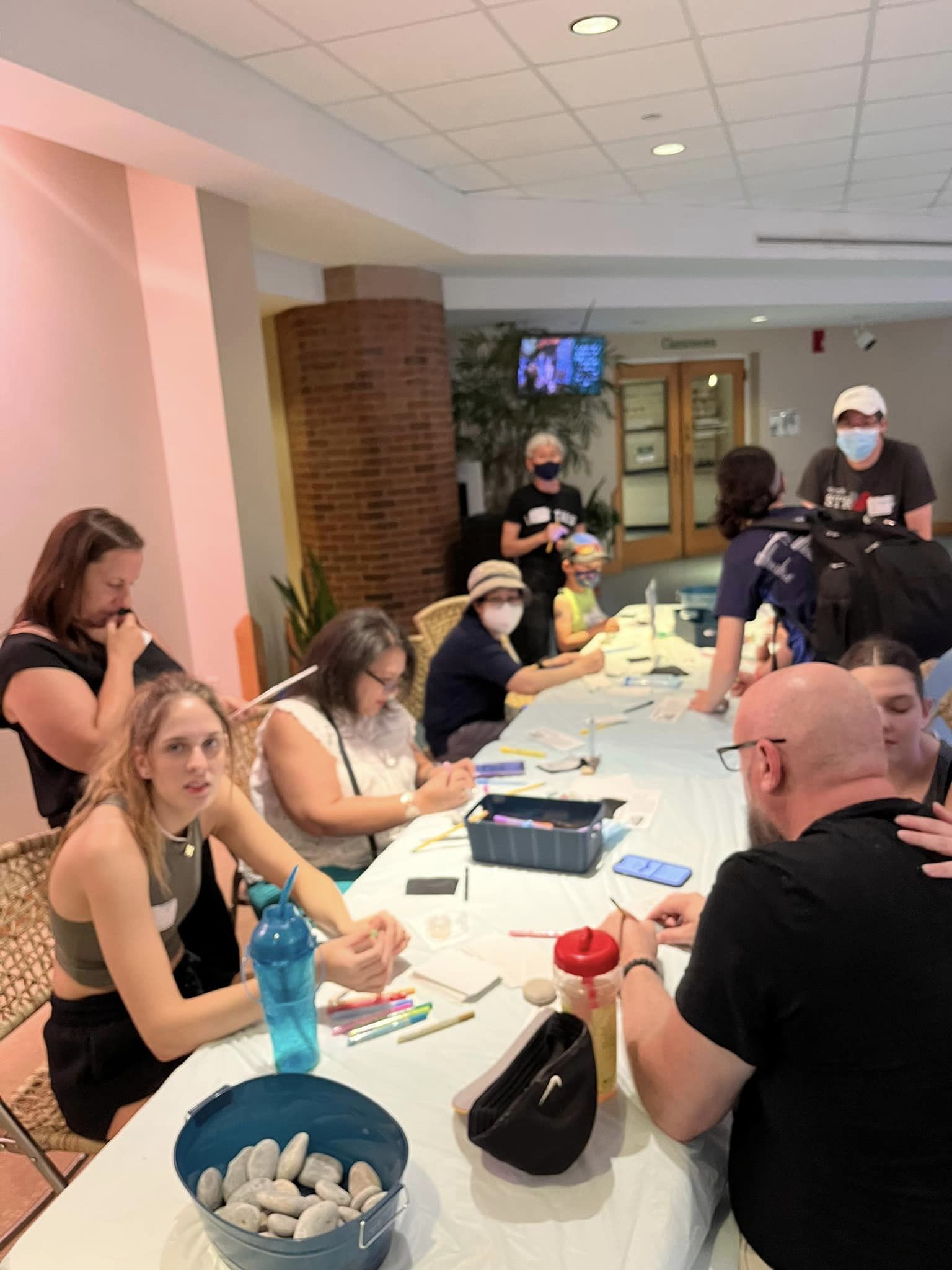
In the role of donor, who has also been a grant receiver, I was VERY cognizant of the tone and relationship I wanted to build with the zoo staff. I wanted to them to understand that this is a partnership and that I was flexible, willing to learn about their needs, while also fulfilling a specific goal in honoring my mom’s legacy. I came to them with one idea, they came back with a few more, and together we birthed the current set of collaborations. In developing and executing the Legacy Launch event, I acknowledged their very busy staff and offered to help with outlining program logistics, and even got directly involved with supply procurement, event set-up/clean-up, etc. I wrote each staff a thank-you note and handed them all nominal gift cards at the event – which also allowed me to acknowledge each of them by name in front of family and friends. I am thankful to have been on the staff side of this giver-receiver relationship so that I could be the kind of giver that staff enjoys partnering with and isn’t intimidated by (which is all too frequent the case in my receiver experiences). I mentioned to them several times that it felt weird to be “on the other side” of where I have been for the entirety of my career.
ANOTHER SIDE?
I am about to embark on a training with 21/64 to go through what they call their “Approach Training” which is designed for consultants and other philanthropy professionals to earn 21/64 Certified Advisor Certification which then supports the consulting in working with family foundations in order help them develop their missions and visions, assist them with multi-generation dialogue around Jewish giving, and to guide them utilizing knowledge of new trends in giving.
I am excited to take all that I have encountered in the world of Jewish philanthropy (as a giver and receiver) and see where this new learning takes me.
 JewishGPS
Leave a comment