
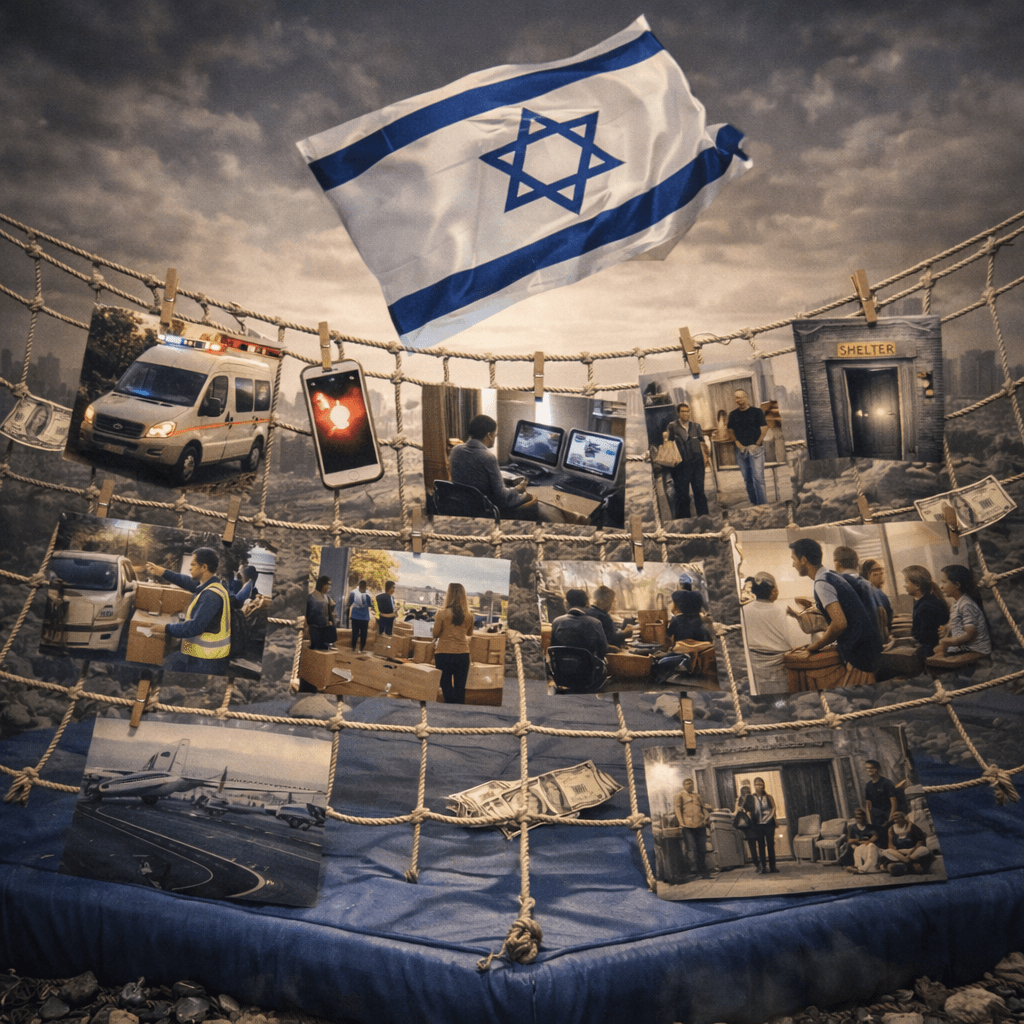
Jewish Peoplehood Becomes Infrastructure When Crisis Hits and the Safety Net Activates
The image represents a very difficult reality.
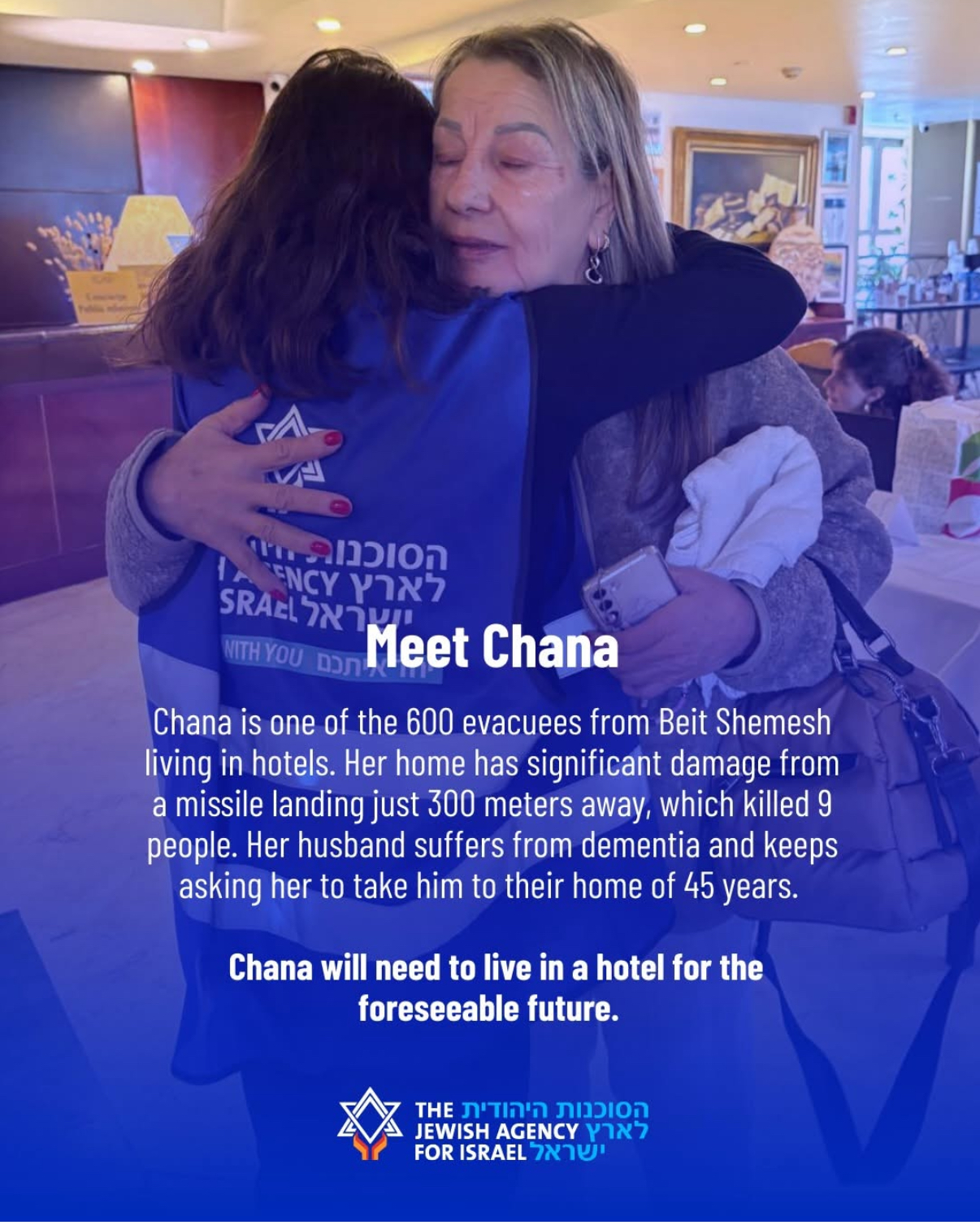
A woman embraces Chana, an evacuee from Beit Shemesh. Her home was damaged by a missile strike in the most recent war with the Iranian Regime. Her husband, living with dementia, keeps asking to go back to the house they lived in for forty-five years.
She is now living in a hotel.
For the foreseeable future.
This is what displacement looks like in Israel.
And that detail matters.
What People See and What They Miss
Globally, over the last two and a half years, people have been watching two sets of images, two very different narratives.
From Gaza, they see:
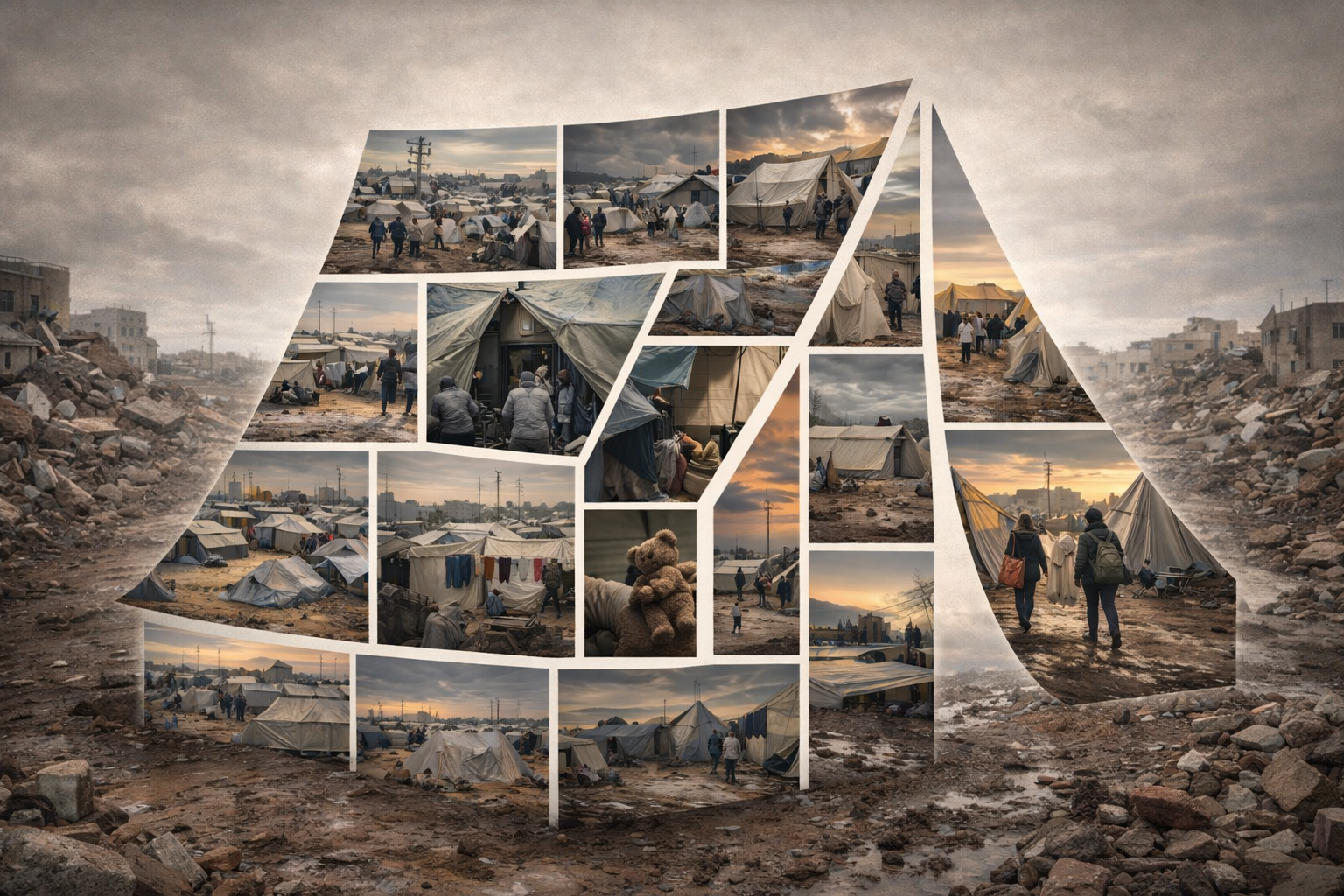
widespread destruction – tent encampments – visible humanitarian collapse
human suffering – education disruption – unmet medical needs
From Israel, the world sees something vastly different:
- cities still functioning relatively well
- kids still getting an education
- rapid medical response
- families not living on the streets among rubble
From those images, some draw a conclusion:
That the impact on Israelis and Gazans is unequal.
That the war is disproportionate.
That one side is protected while the other is exposed.
What the World Does Not See
But what those images do not show is the infrastructure behind them. Because what looks like the absence of suffering is often the presence of systems that absorb it.
Due to a constant threat from its neighbors, Israel has spent decades building:
- reinforced safe rooms in many homes
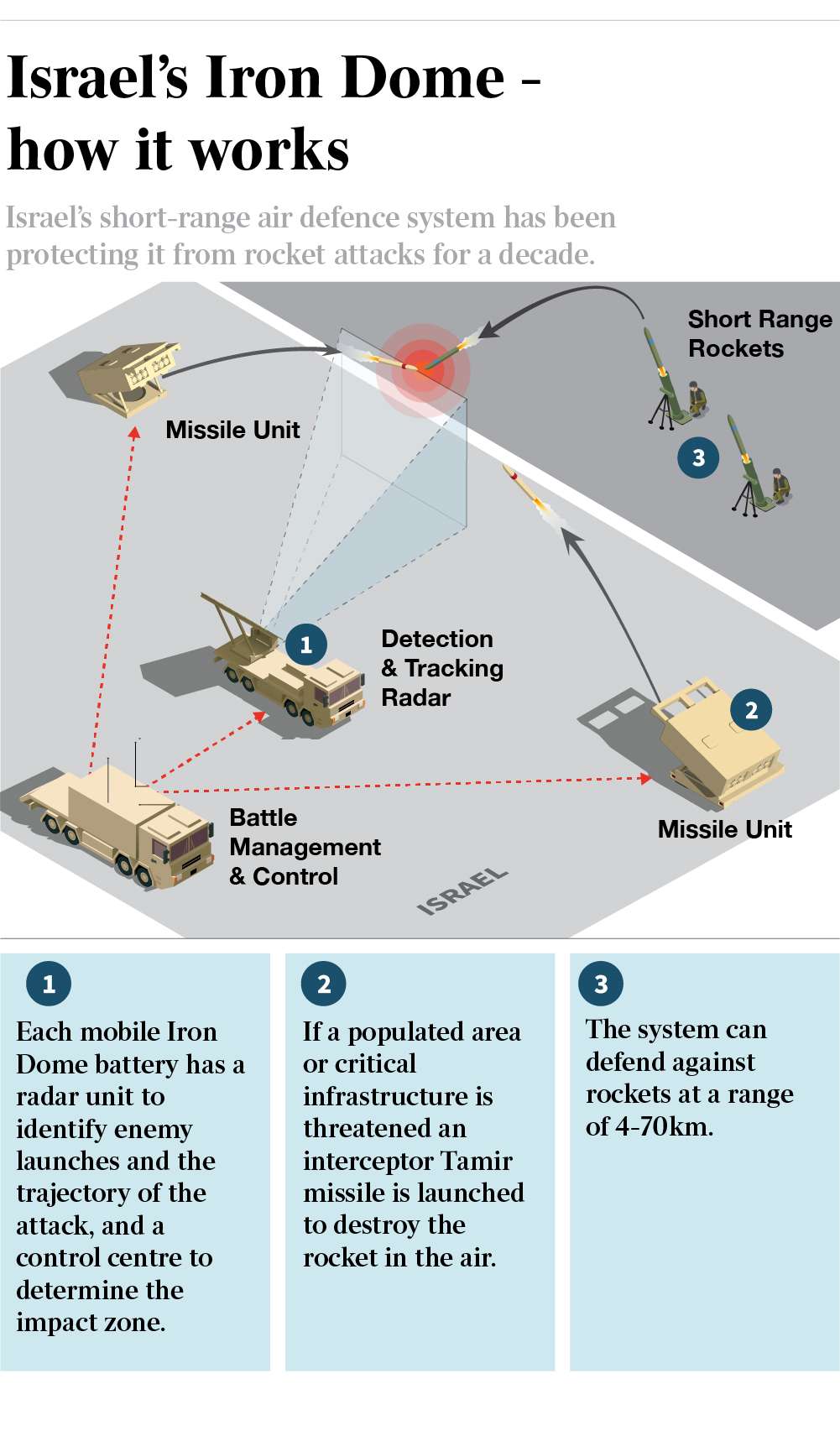
- missile defense systems like Iron Dome
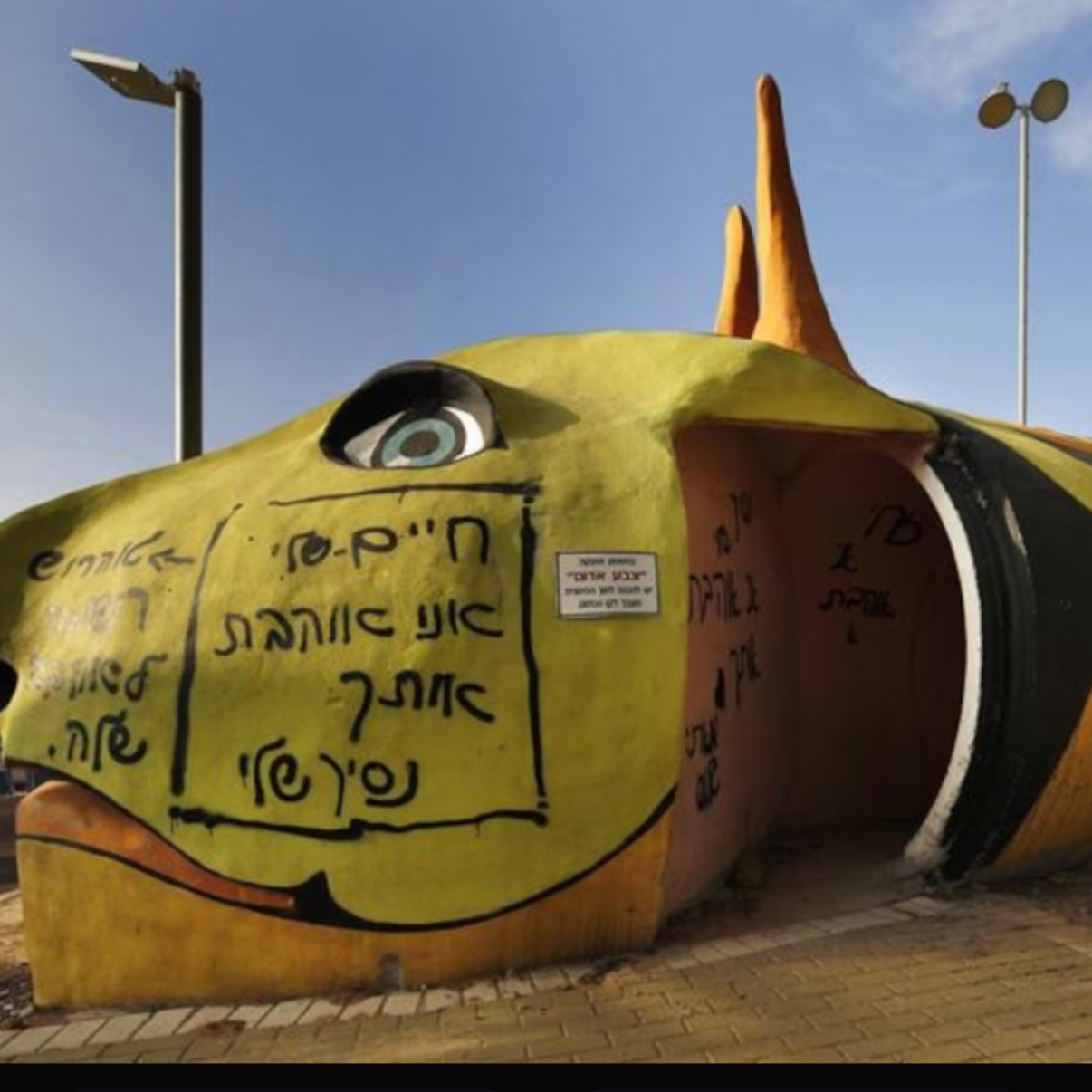
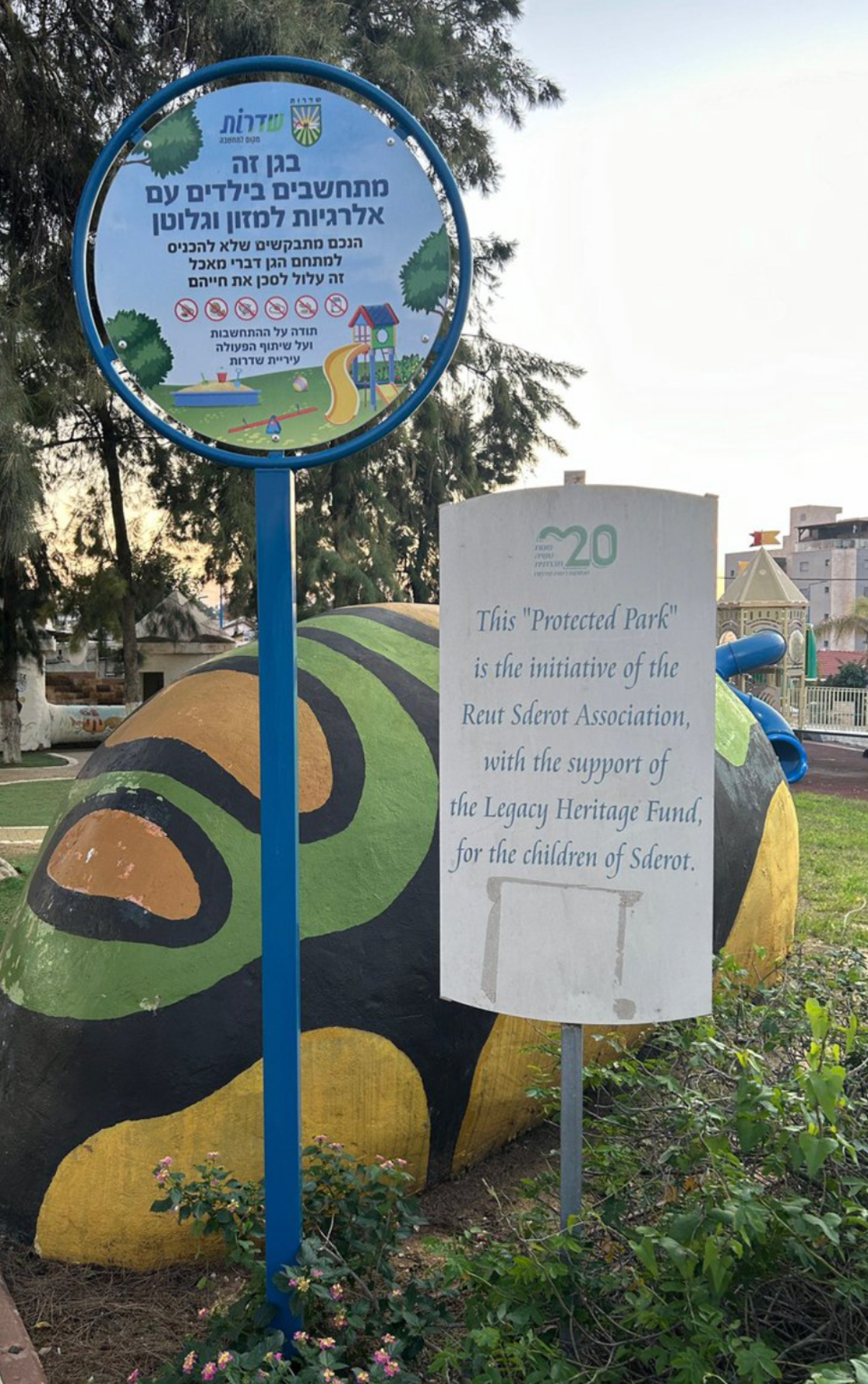
- bomb shelters all over the country from inside private homes to surrounding playgrounds.
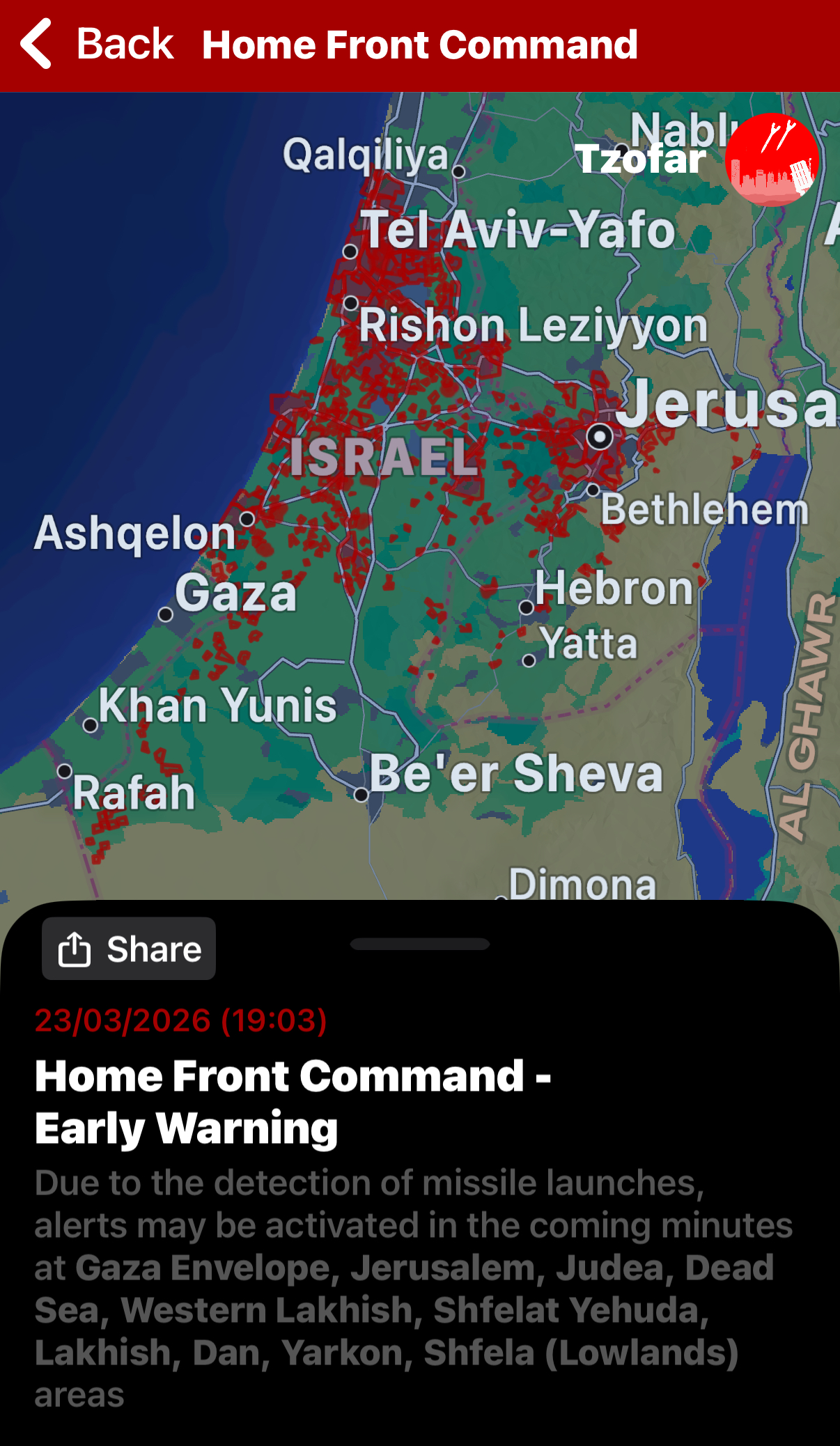
- early warning networks that give civilians time to reach shelter
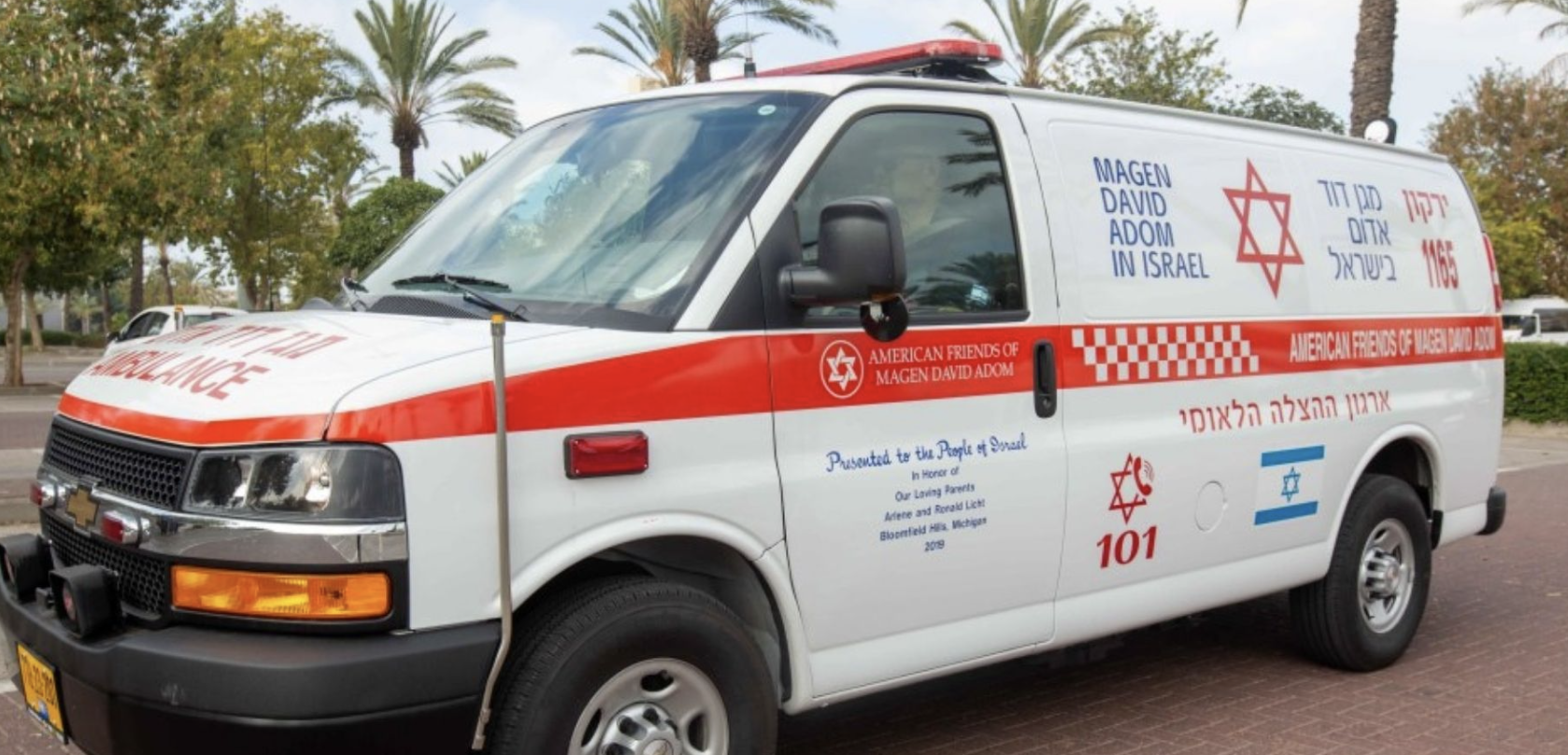
- ambulances and extensive emergency response systems
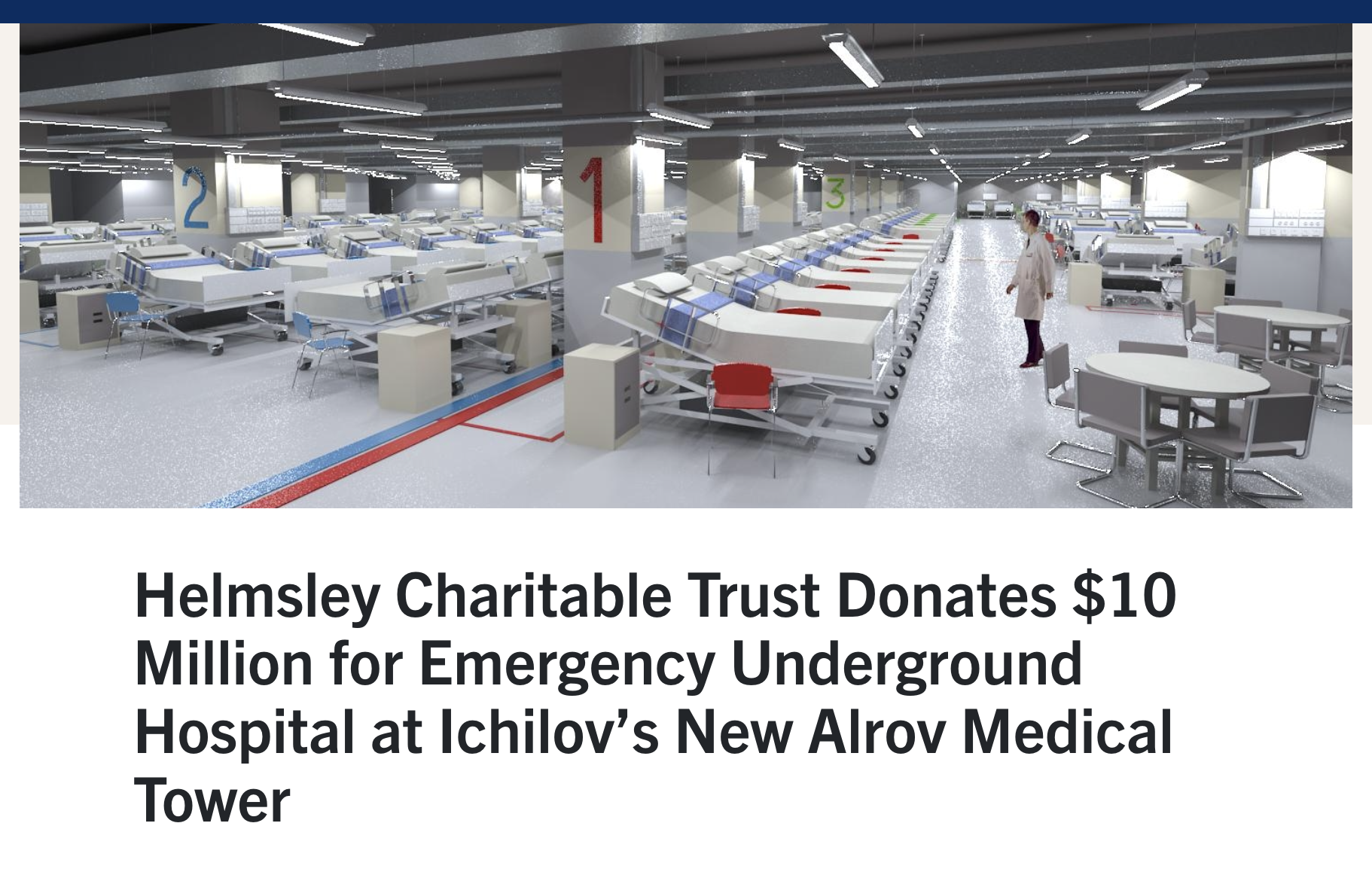
- four hospital wards across Israel that are underground.
(Home Front Command; Ministry of Defense)
And beyond the state, Jewish communities globally have invested in civilian protection — funding shelters, emergency systems, and medical infrastructure that operate long before and long after any single moment of crisis:
- hundreds of bomb shelters funded by the Jewish National Fund-USA
- ambulances and emergency systems funded by the American Friends of Magen David Adom
- a coordinated platform and effort for training and response tools funded in part with multiple diaspora supports.
These systems do not eliminate danger. They change what danger looks like. They alter the outcomes after danger strikes.
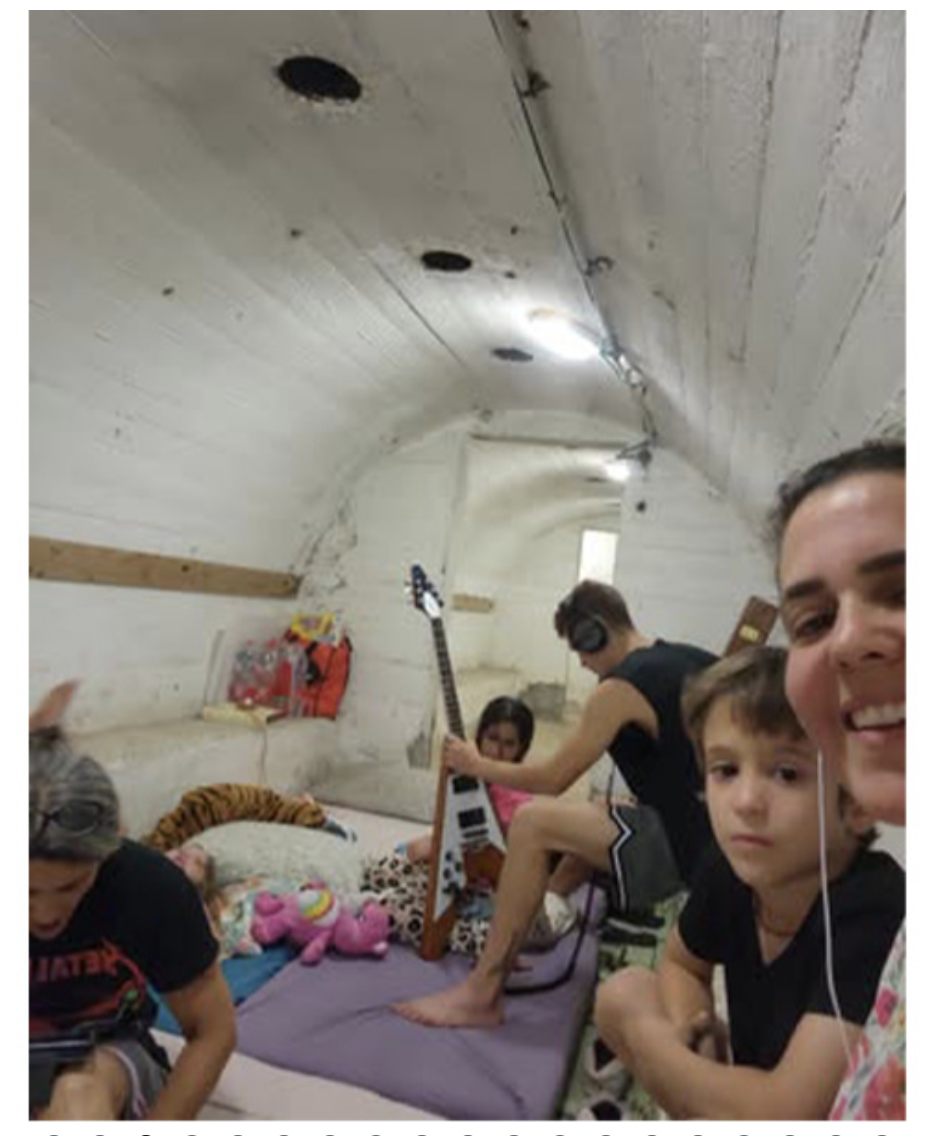

Rapid Response: When Crisis Hits, Civil Society Moves
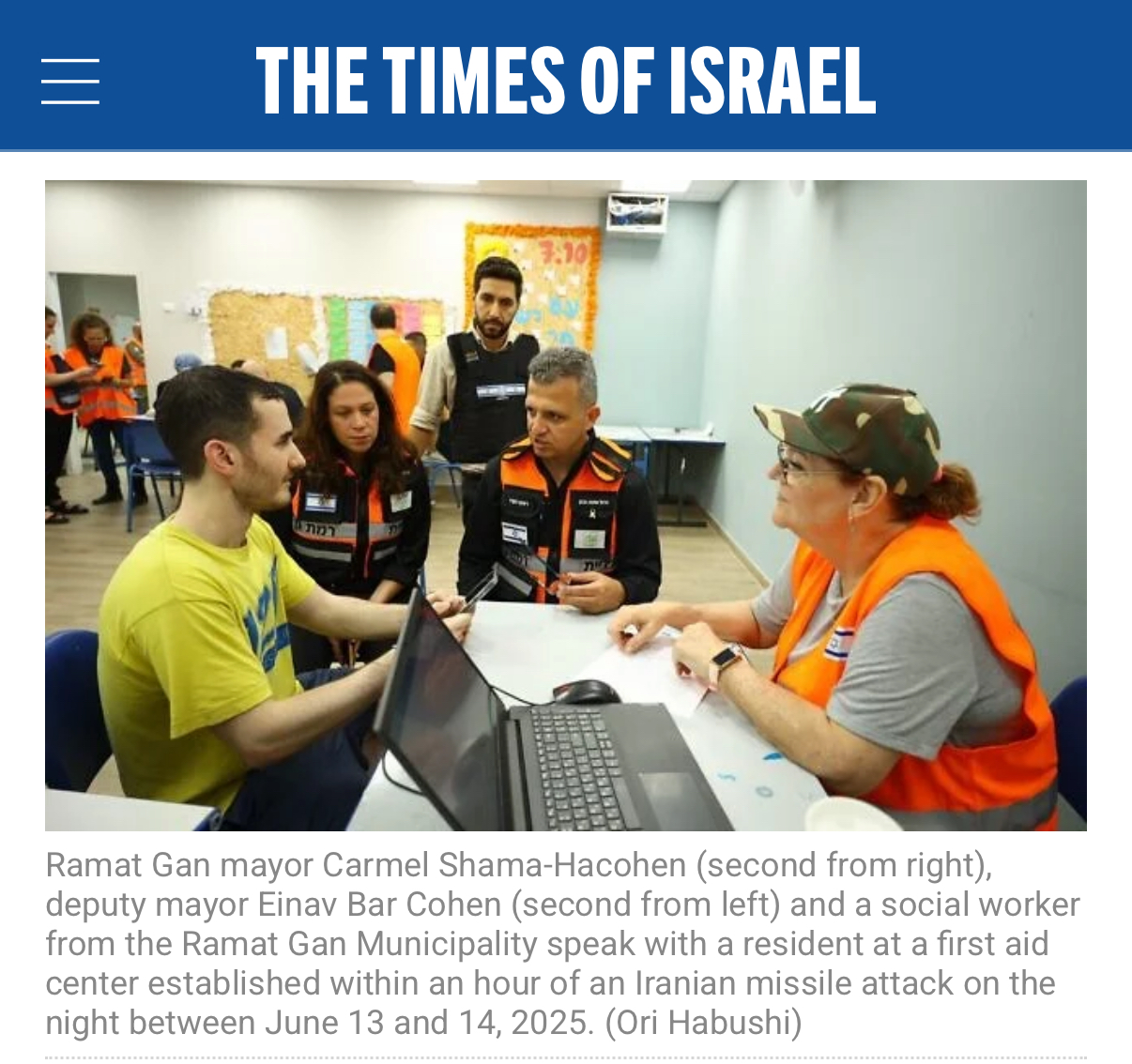
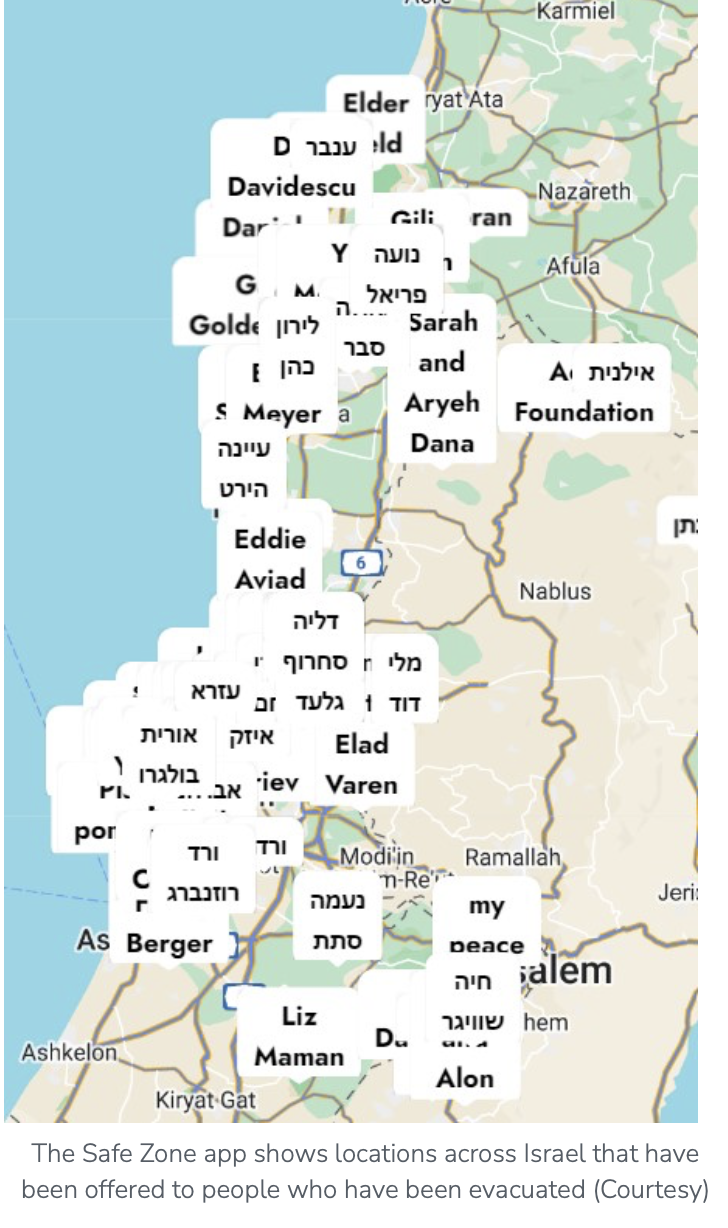
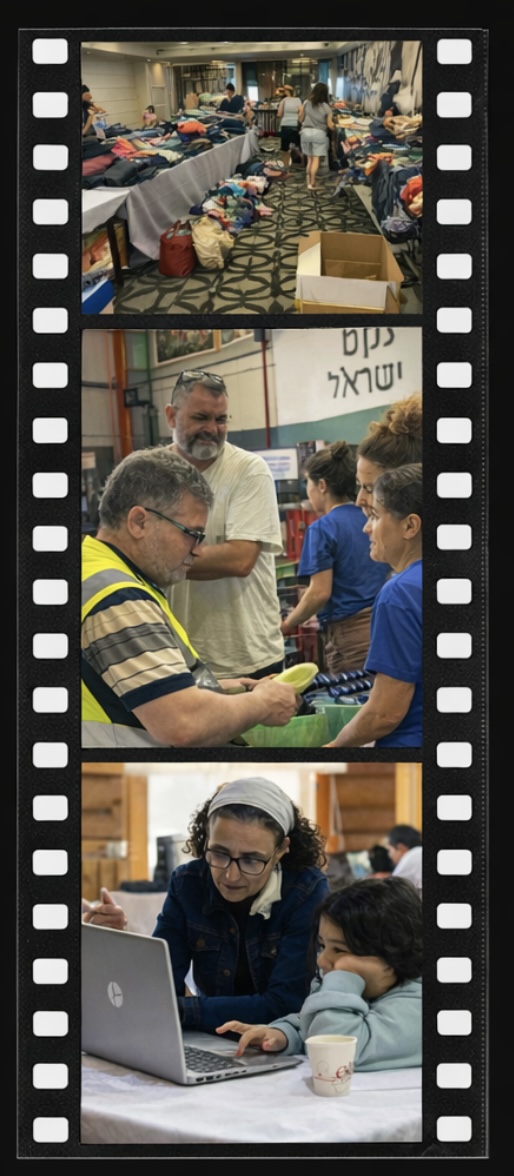
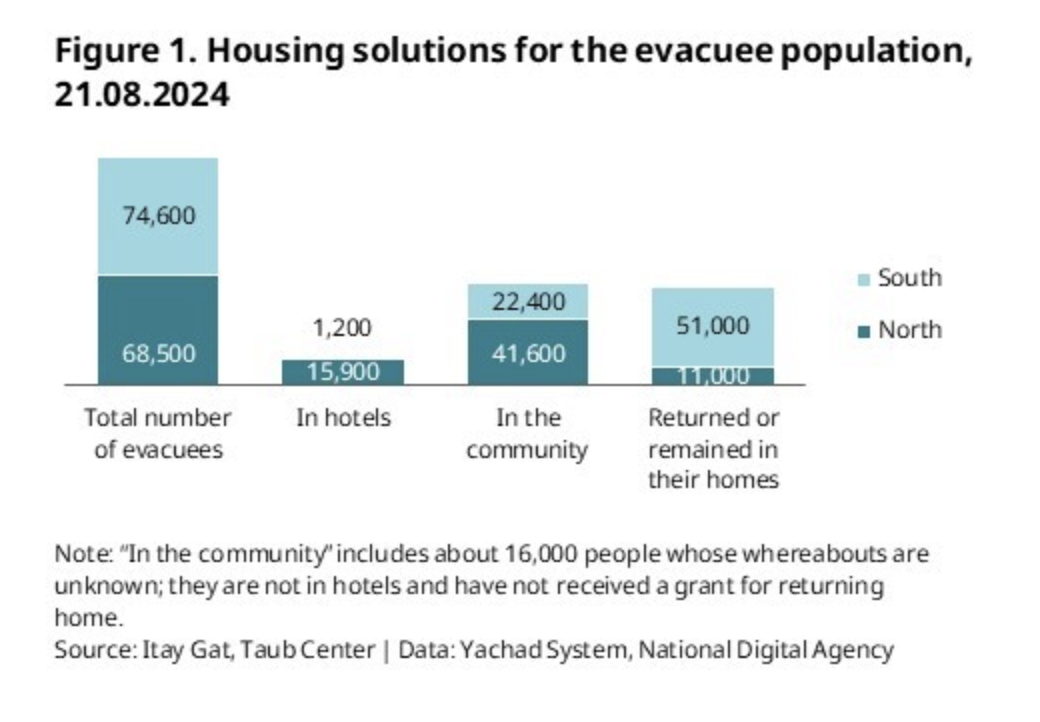
After October 7, roughly 200,000 to 250,000 Israelis were displaced from their homes. (Sources: INSS; Taub Center).
Entire communities were evacuated overnight. It was sudden. It was chaotic. It was devastating.
And yet, those families were not living in tent cities.
They were living in:
- hotels
- temporary apartments
- host communities
- homes opened by strangers
(graphic from Taub Center)
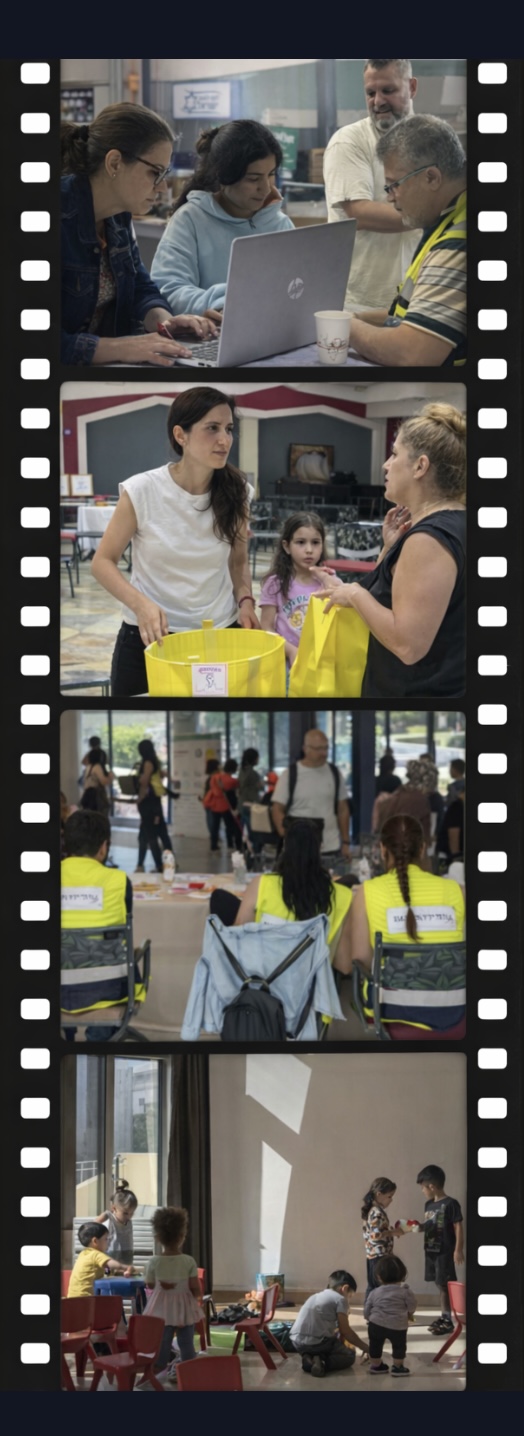
Within weeks, schools were rebuilt inside those hotels. Israel’s Ministry of Education created hundreds of temporary classrooms for roughly 54,000 displaced students. (Ministry of Education).
Children went back to school. Parents who weren’t called up to the military went back to work. Life, as much as possible, continued.
At the same time, civil society mobilized at extraordinary scale:
- After October 7, nearly 50% of Israeli citizens volunteered during first weeks of war (Times of Israel).
- By early 2024, over 500,000 Israelis had participated in longer term volunteer efforts (Times of Israel).
- More than 20,000 families opened their homes to evacuees.
- When agricultural labor disappeared overnight, tens of thousands of volunteers stepped in to harvest crops
(Reuters). - The organization Leket Israel distributed over 70 million pounds of food and more than 2.2 million meals.
Childcare systems, educational frameworks, and trauma services were rebuilt inside evacuation centers so that families could function.
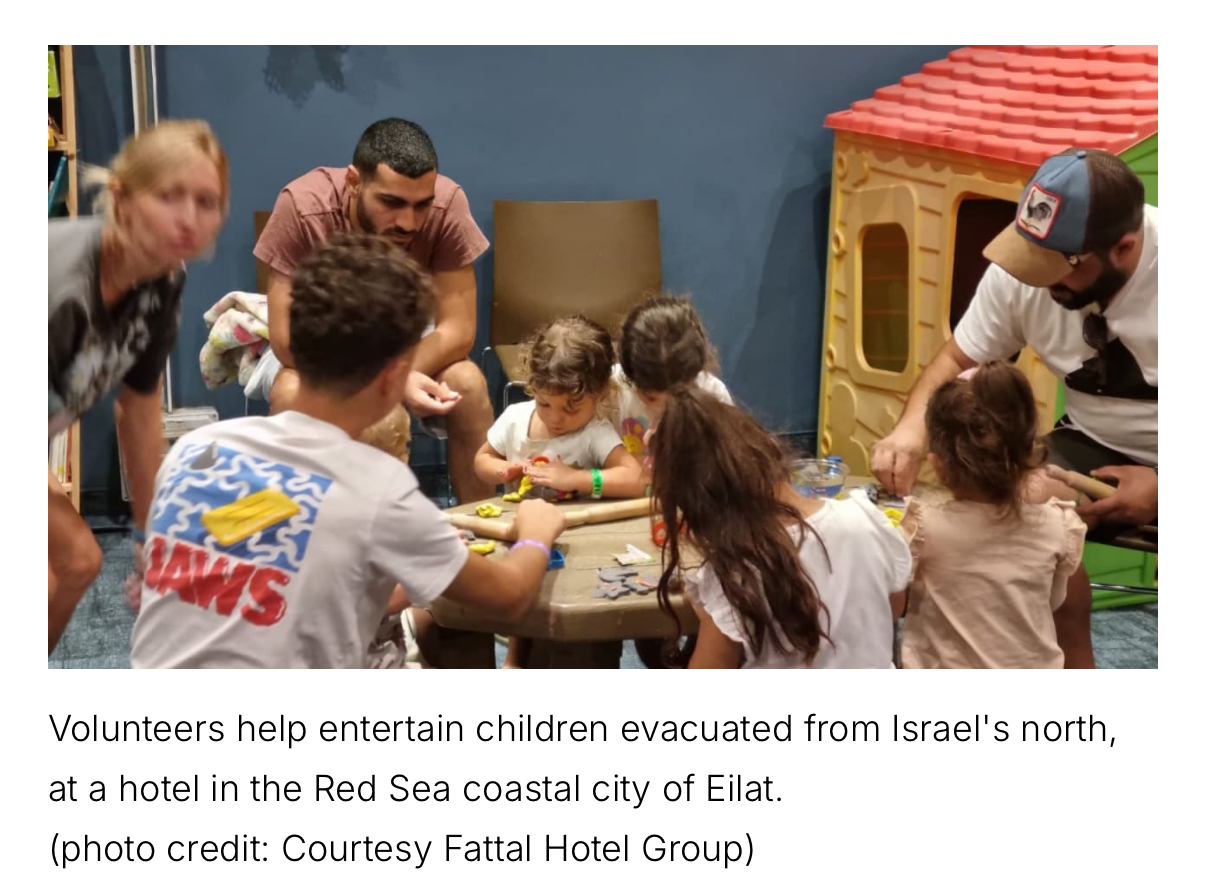
This is not simply aid. It is a society reorganizing itself in real time.
A Global System
At the same time, the global Jewish community activated.
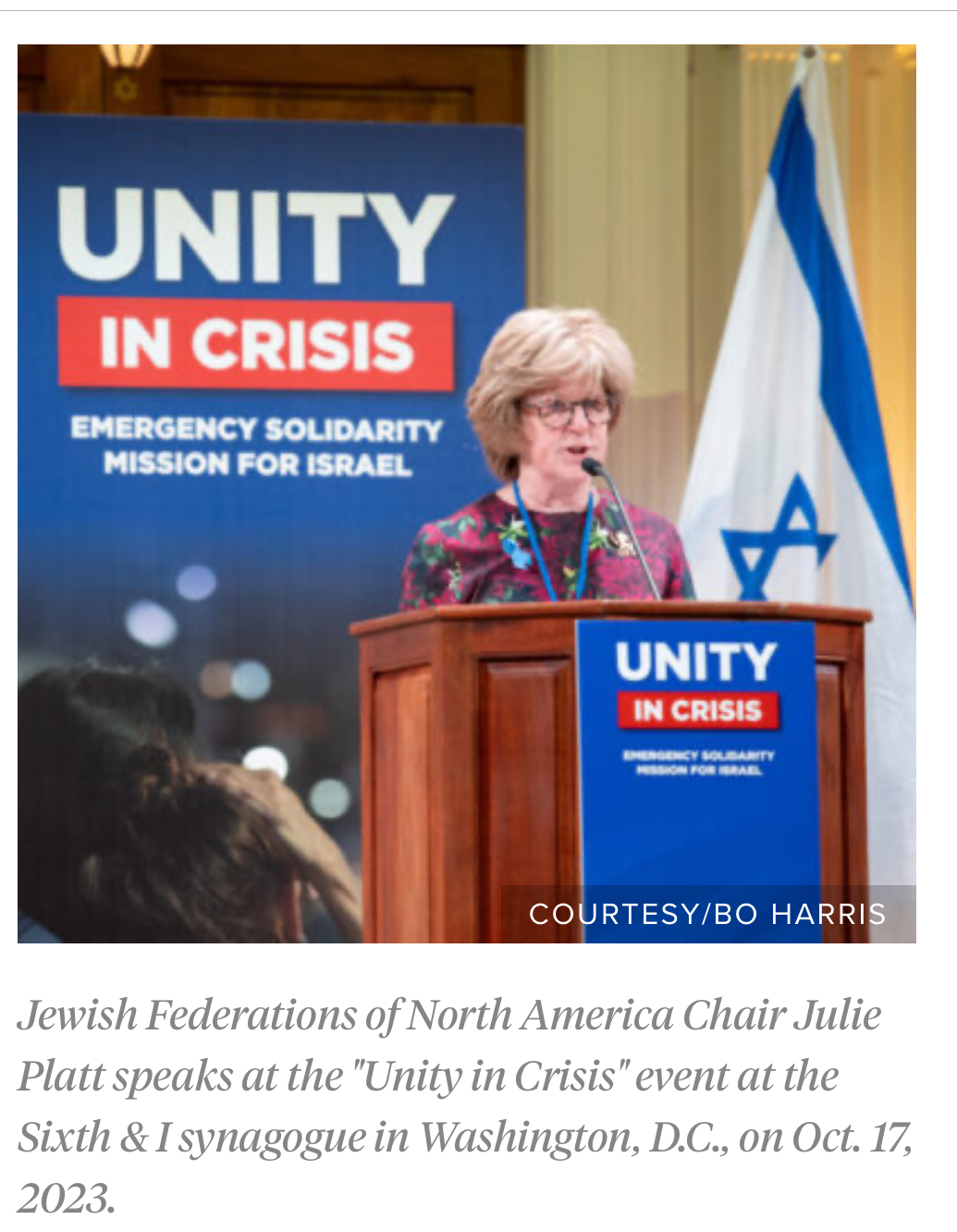
The Jewish Federations of North America raised $908 million within months.
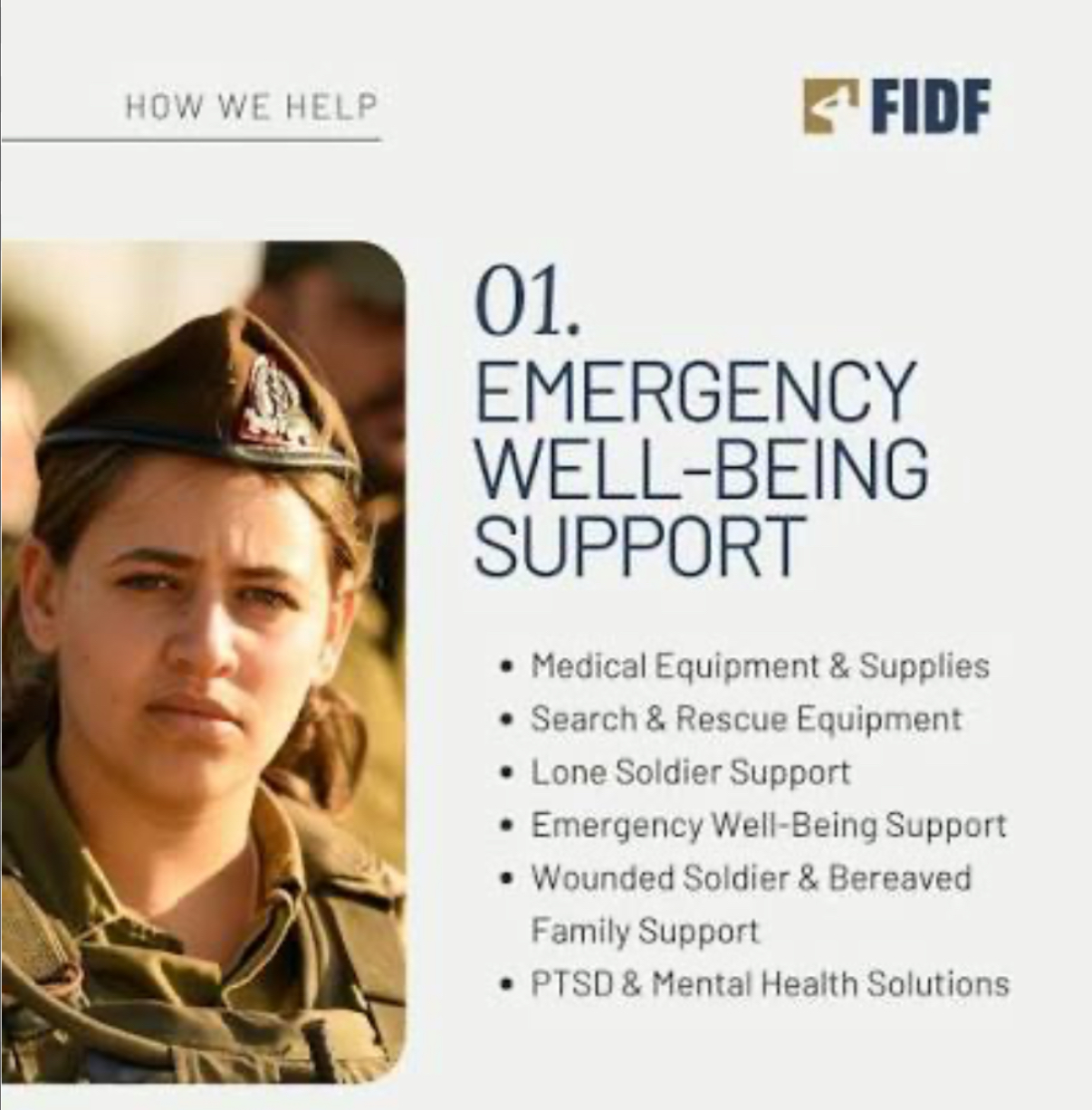
The Friends of the Israel Defense Forces raised over $280 million for mental health services, rehabilitation, education, financial aid and assistance to bereaved families and Lone Soldiers. Many Jews around the world organized friends and family to raise money for extra supplies for soldiers including protective gear, medical supplies, personal items, and tactical gear.
Organizations like the Jewish Agency for Israel and the American Jewish Joint Distribution Committee (aka JDC) coordinated:
- evacuee support
- trauma care
- emergency grants
- global aid distribution
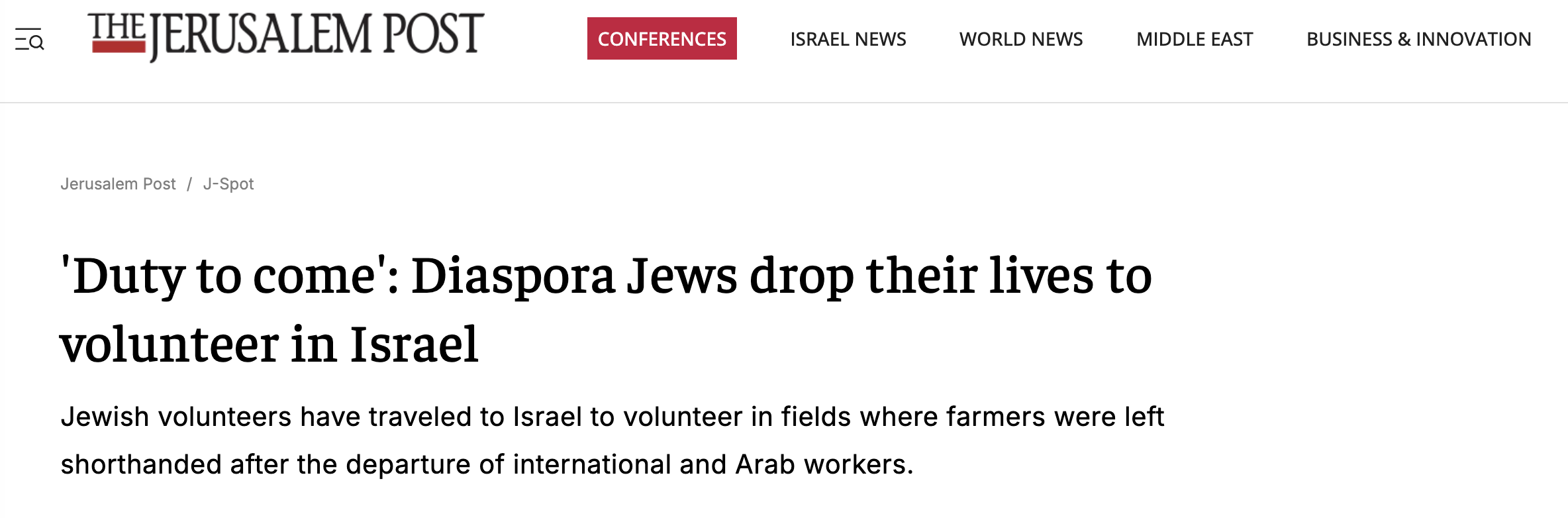
Global Jewry mobilized to volunteer in Israel as soon as flights opened up.
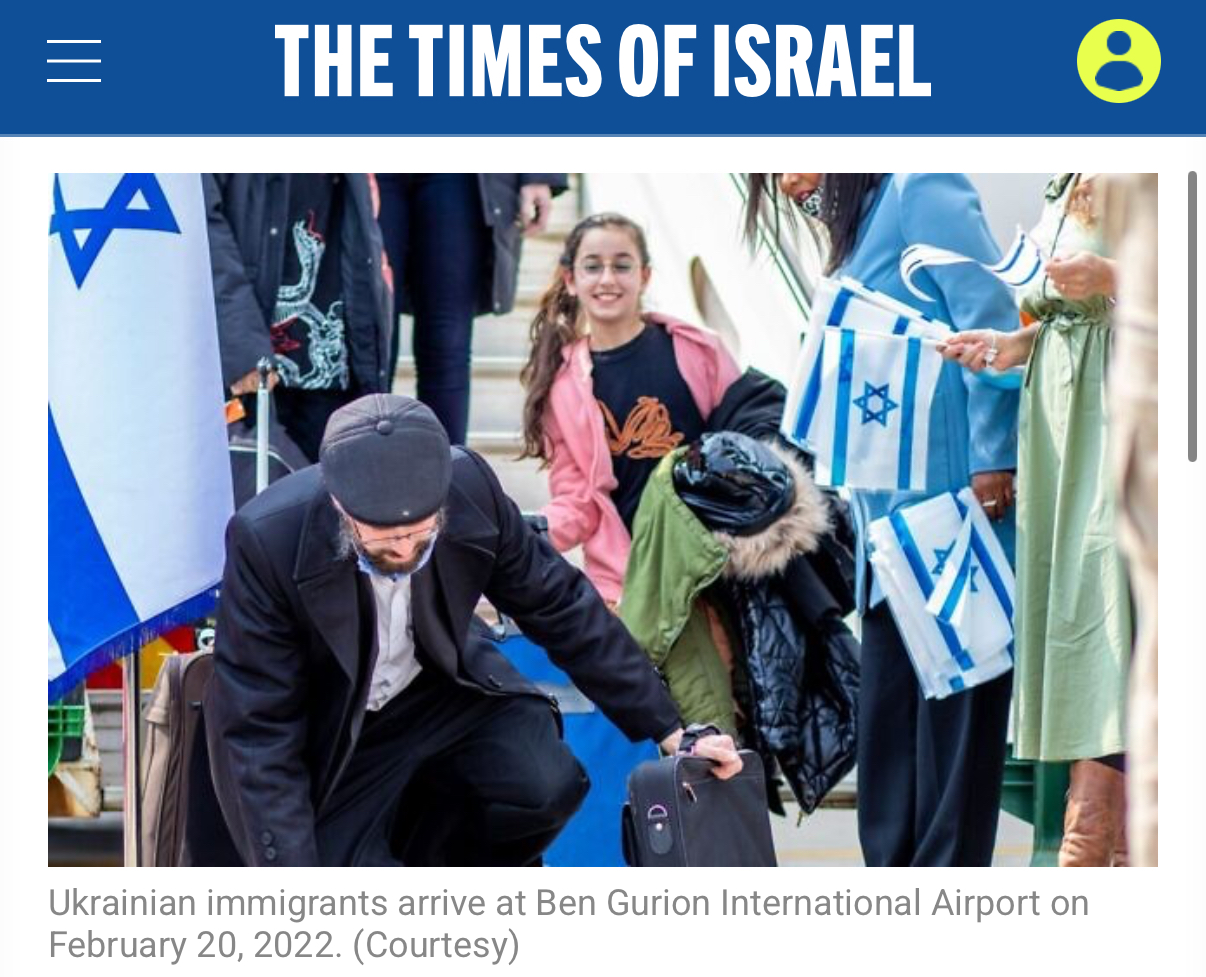
This system is not a new development from the horrific events of 10/7. It has been in place for decades. For example, when war broke out in Ukraine as a result of Russia’s aggressions, the JDC was ready to support tens of thousands of vulnerable Jews across more than 1,000 locations.
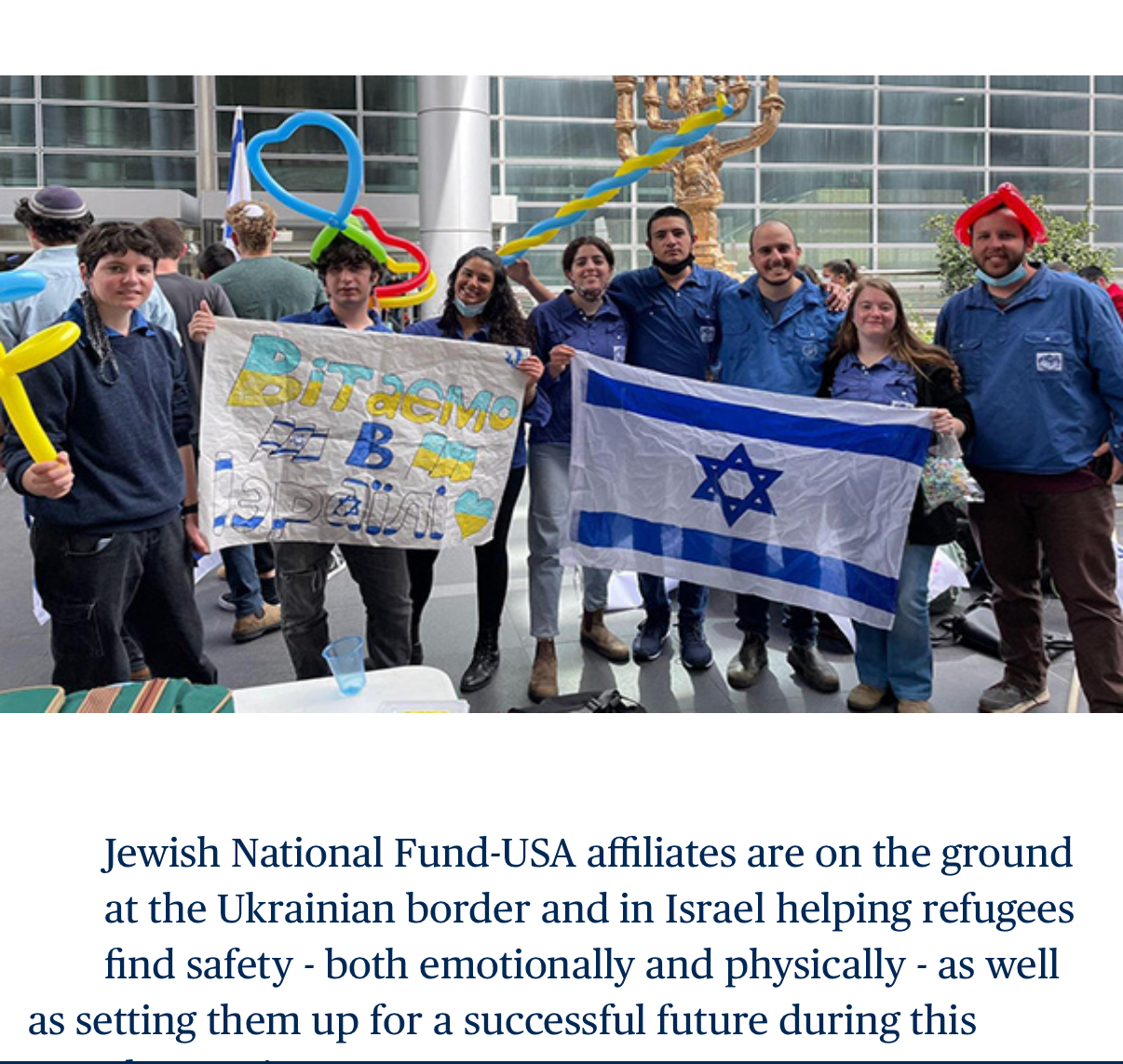
The infrastructure already existed. The response could begin immediately.
Beyond Israel: Absorbing Our Own
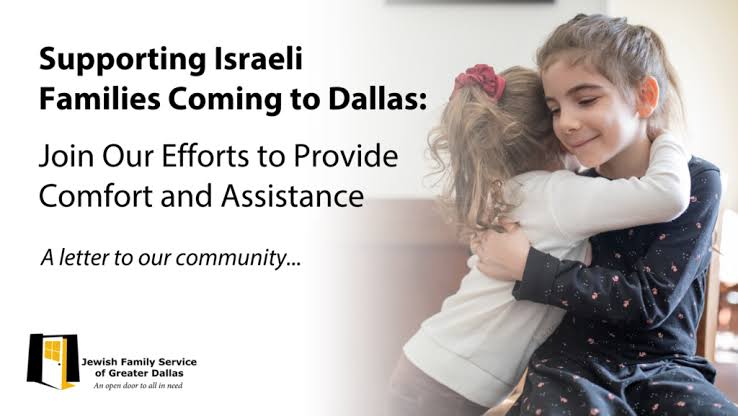
After October 7, thousands of Israelis temporarily left the country.
In the first weeks of the war, approximately 470,00 Israelis departed, with tens of thousands remaining abroad for a period of time (Source). Jewish communities in North America and beyond absorbed them.
Organizations like Federations, Jewish mental health and social service agencies (aka JFS), Jewish Community Centers, and day schools helped provide:
- temporary housing
- school placements for children
- childcare
- community integration
- trauma support
- job placement
- Hebrew-only gatherings
No one ended up on the streets because Jewish communities pushed their own limits to absorb people into existing systems.
This Has Been Built Over Generations
Organizations like:
- HIAS
- American Jewish Joint Distribution Committee
- Jewish Agency for Israel
- The Jewish Federations of North America
- Keren Hayesod
- Jewish National Fund/KKF
were created over more than a century to do exactly this. To pool resources. To move quickly. To respond whenever and wherever Jews are in crisis.
A moral imperative became infrastructure.
It Doesn’t End
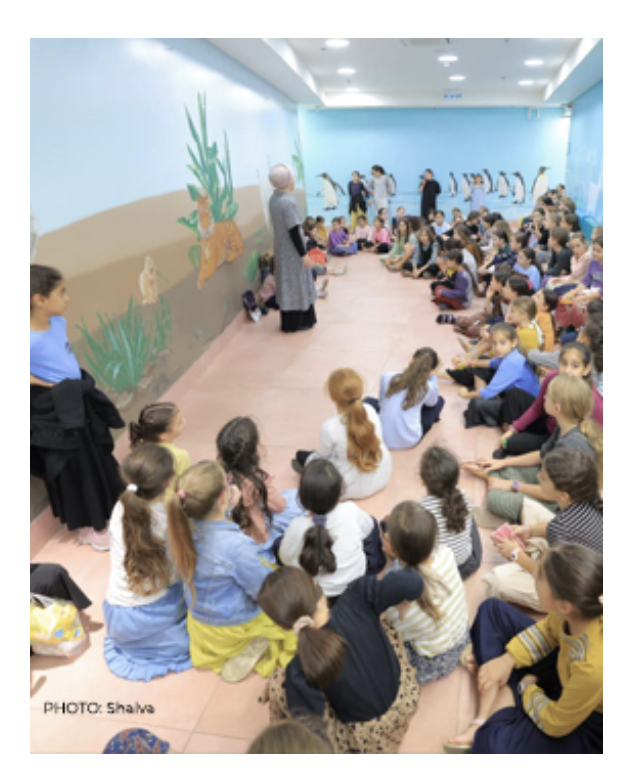
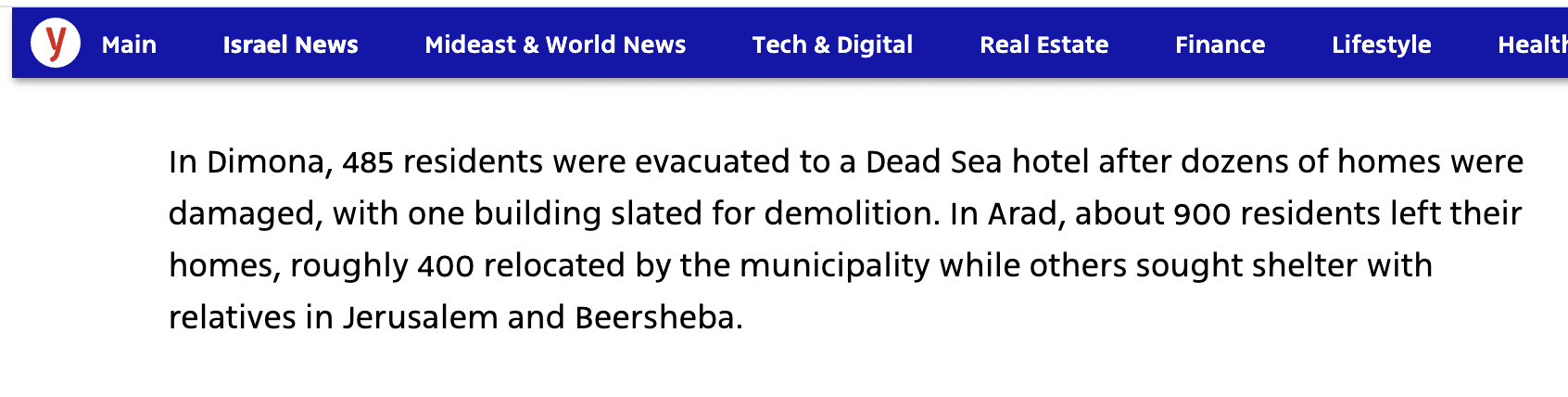
In recent days (3.21.26), following missile strikes connected to the latest war with Iran, hundreds of Israelis in cities like Arad and Dimona were displaced.
They were not placed in tent cities. They were moved into hotels and absorbed into surrounding communities. The system activated again.
The Name for This
There is a phrase from Talmud Shevuot 39a:
Kol Yisrael arevim zeh bazeh.
All Jews are responsible/guarantors for one another.

What that looks like in practice related to taking care of one another:
- a country with relatively minimal damage trhough a multi-year war due to several, layered protective systems in place
- a displaced family in a hotel instead of a tent
- a child back in school weeks after evacuation
- an ambulance funded by a community thousands of miles away
- a family arriving in a new country and already having support
What Does This Mean for Perception?
This is not the absence of suffering. It is the presence of preparation.
It is what happens when a global peoplehood builds systems so that when crisis comes to one group, everyone is taken care of.
And often, that is invisible. Until you know where to look.
 JewishGPS
Leave a comment