
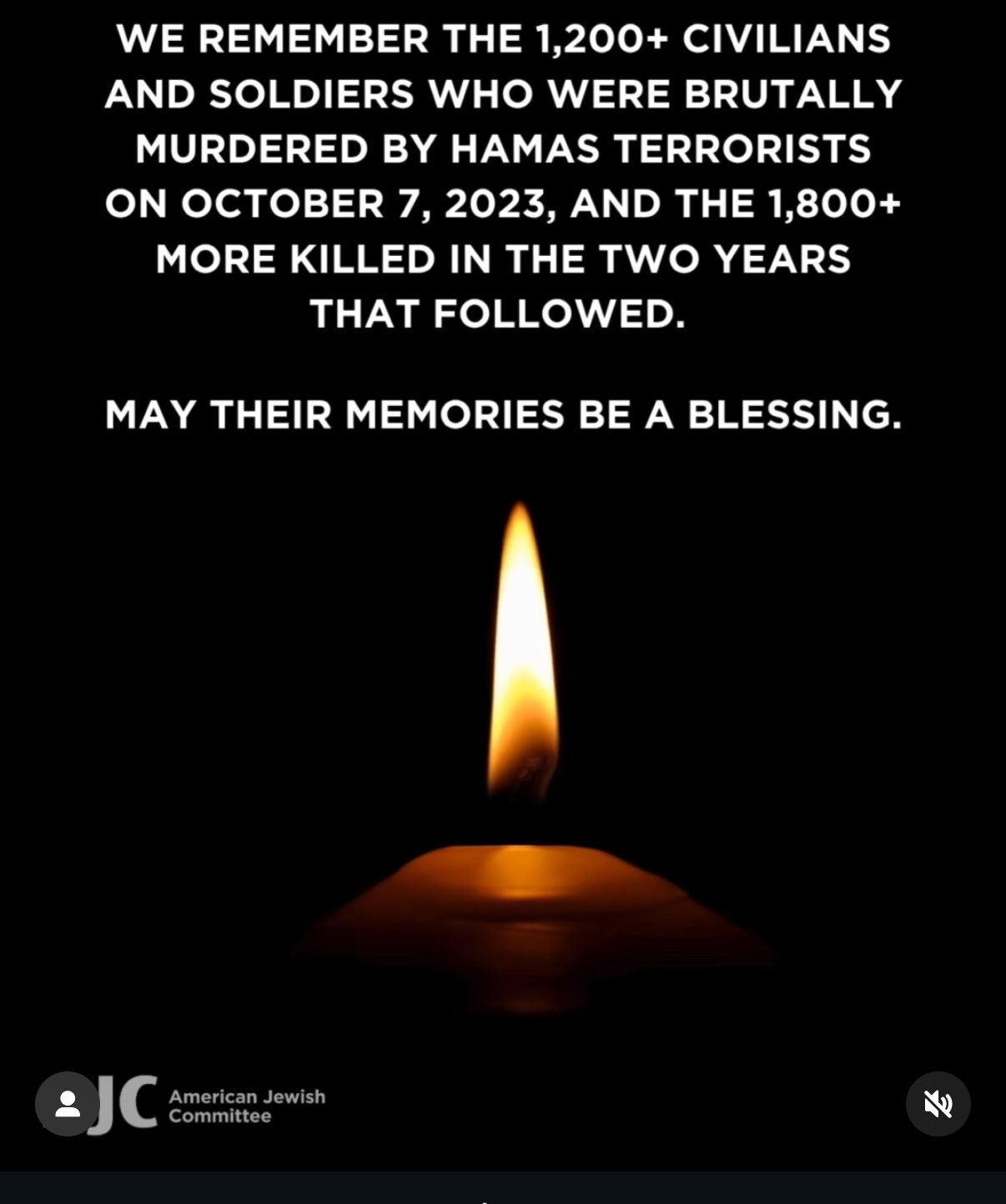
On October 7, 2025 Am Yisrael was drenched in sadness as we reflected on the 1200+ who perished two year prior and the more than 1800 who died in the two years since. We felt deep dread of the 40ish still held by terrorists in Gaza of which we only believe about half to still be alive (barely clinging to life). We mourned individually those who were taken to Gaza alive but perished in captivity. We felt hopelessness at bringing the final 40 home, ending the duty and danger of thousands of reservists, and living a new day without the threat of frequent incoming attacks.
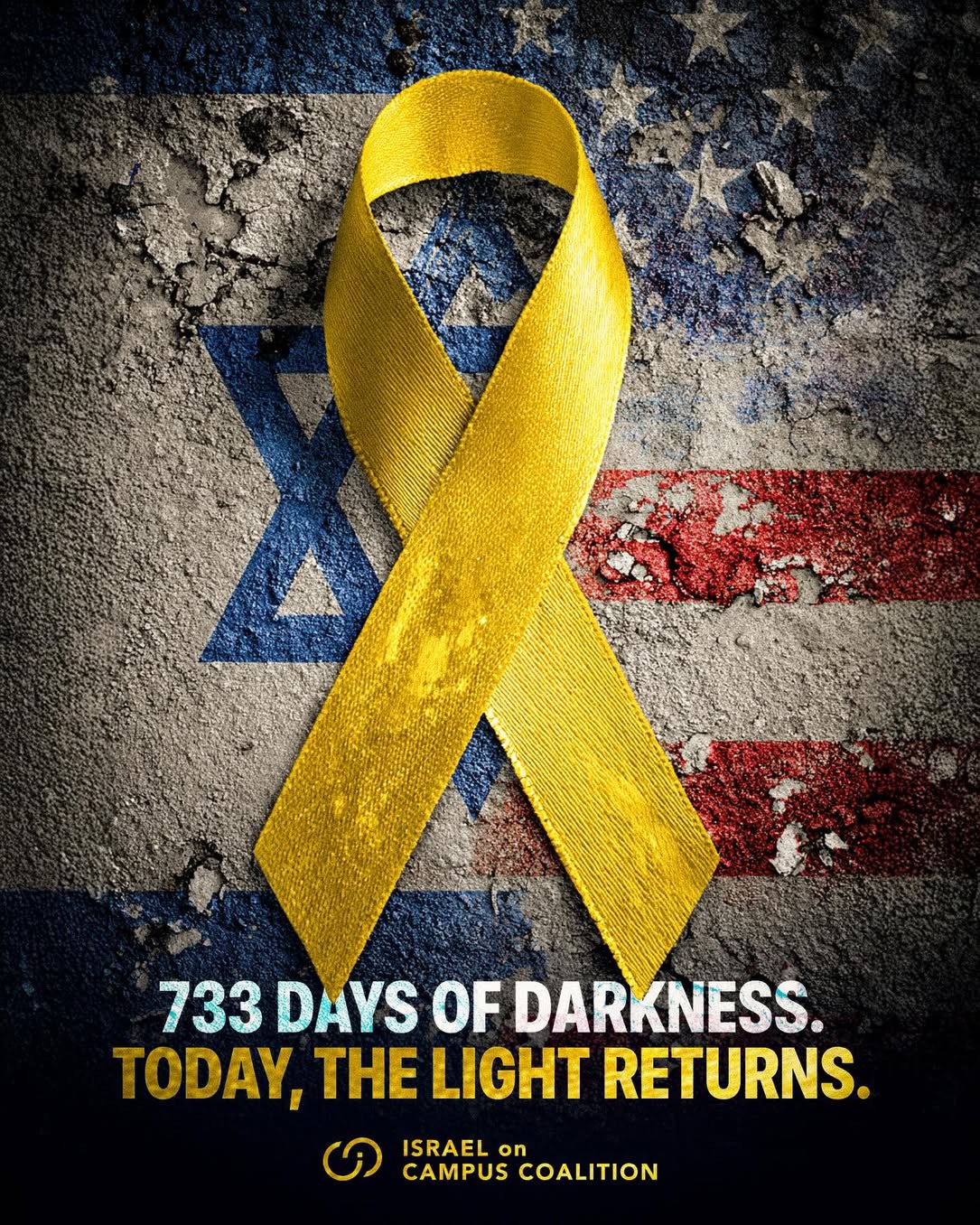
And then on October 8th, a stark contrast of emotion as announcements came of a “peace deal” that was mutally agreed upon by Israel and Hamas. Under significant pressure from the United States, neighboring Arab-state leaders, and the Israeli populace, we learned that in phase one all 40 remaining hostages would be released without grotesque Hamas ceremonies, Israel would withdraw significant troop presence and retreat to an agreed-upon “yellow line,” Israel would release about 2000 Palestinian prisoners, and humanitarian aid would be surged into the Strip. The process will be monitored by an international collaborative force.
The news of our hostages coming home, of Am Yisrael being able to begin healing, and the beginning to the end of civilian suffering in Gaza is a tremendous relief. But most of us combined this relief with “will only celebrate when they are on Israeli soil” and “won’t fully exhale until its all over.” A fear of jinxing it all perhaps or a layer of distrust that we have seen deals go south before and don’t want to trust it quite yet. But still, there were celebrations in Hostage Square, families of hostages posting images of joy on their social media, and expressions of gratitude to those in leadership that facilitated this deal.
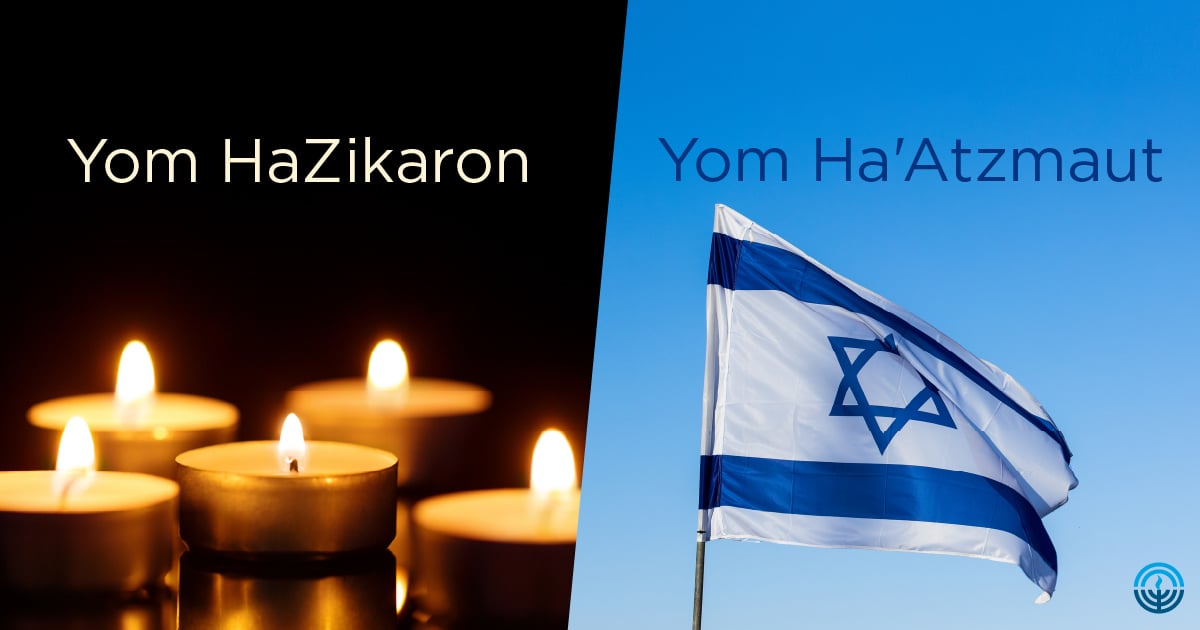
So how do we flip a switch between the sorrow of 10.7.2025 and the joy of 10.8.2025? Jews are no stranger to this quick cross-over from mourning to celebration. Each year we spend Yom HaZikaron mourning those we have lost to war and terror, honoring the soliders who gave the ultimate sacrifice for Israel and Am Yisrael…and then at sundown we have a remarkable move to celebrations, parties, BBQs, picnics, carnivals, and concerts as we welcome Yom HaAtzmaut (Israeli Independence Day).
Outsiders question the placement of these observances and how human beings can turn from sorrow to simcha in a split moment. Our widsom tells us that we must link these moments so that we remember that the celebration could not exist without the sacrifice. We recognize that Israel has always been a people and a country that is based in communal grief and communal joy—Am Yisrael is a peoplehood because we share in our mourning and we share in our accomplishments.
This linking of celebration and sorrow is mirrored in our wedding celebrations when a glass is broken to remind us of the fragility of our relationships, the brokeness that can come if we don’t work to protect what is valuable, the shattering of The Temple and all it embodies—and then seconds later we erupt as a community into shouts and song of Mazal Tov u’Siman Tov to celebrate this new union and all the blessings it will bring to the couple and to their community.
These comparisons lead to me wonder about years to come. We know we will indefinitely continue to mourn communally on October 7th, but will we collectively celebrate the end of this atrocious two years? Will that celebration be on October 8th? Or because the road to “peace” will take months and years that we won’t have a specific date to mark the moment we collectively exhaled? How might we permanently link a feeling of relief and joy to the sorrow we will always feel about the last two years? I don’t have an answer, but I do believe that Jewish wisdom would tell us to find one. And, perhaps, the answer lies in the correlation to Sukkot and Simchat Torah on the Hebrew calendar as it relates to October 7, 2023 and October 8, 2025?
 JewishGPS
Leave a comment